How Can Effective Recruiting Strategies Help Attract Top Talent?

How can businesses attract highly skilled professionals when talented candidates have more choices than ever? What makes one company stand out from dozens of employers competing for the same expertise?The answer starts with a clear, candidate-focused approach to hiring.
An effective recruitment process helps organizations identify the right candidates, communicate their employer value clearly, reduce hiring delays, and create a positive experience from the first interaction.
A strong recruitment process is not simply about filling vacancies—it is about building a workforce that supports long-term business growth. In simple terms, successful recruitment combines accurate workforce planning, targeted candidate sourcing, strong employer branding, structured interviews, and consistent communication.
What Are Recruiting Strategies?
Recruiting strategies are structured approaches businesses use to attract, evaluate, and hire qualified candidates for open positions. They help hiring teams move from simply posting jobs to actively finding professionals whose skills, experience, and goals align with the organization.
An effective approach typically includes:
- Defining precise job requirements
- Identifying the ideal candidate profile
- Selecting suitable sourcing channels
- Building a strong employer brand
- Using structured screening and interviews
- Maintaining clear candidate communication
- Measuring recruitment performance
- Improving the process based on hiring data
The goal is to make hiring more efficient while improving the quality of new employees.
How Can Effective Recruiting Strategies Help Attract Top Talent?
Attracting top talent requires more than competitive salaries. Candidates also evaluate workplace culture, career opportunities, flexibility, leadership, benefits, and the overall reputation of an organization. Here are several ways an effective approach can improve talent acquisition.
1. Build a Strong Employer Brand
Why would a qualified candidate choose your organization over another employer? A clear employer brand provides the answer. Companies should communicate what makes their workplace valuable, including:
- Career development opportunities
- Employee recognition
- Workplace culture
- Learning and training programs
- Flexible working options
- Meaningful responsibilities
Authentic employee stories, professional social media content, and informative career pages can help candidates understand what it is like to work for the organization.
2. Create Detailed Candidate Profiles
Hiring becomes easier when recruiters know exactly what they are looking for. Before advertising a position, define the required:
- Technical skills
- Soft skills
- Experience level
- Certifications
- Behavioral characteristics
- Cultural expectations
Separating essential qualifications from preferred qualifications can also prevent recruiters from rejecting capable candidates simply because they do not meet every optional requirement.
3. Use Multiple Talent Sources
Relying on a single job board can limit the candidate pool. Recruiters should combine several sourcing methods based on the role they are trying to fill.
Useful channels include:
- Professional networking platforms
- Employee referrals
- Industry communities
- Company career pages
- Recruitment agencies
- University and internship programs
- Talent databases
A diversified sourcing strategy gives organizations access to both active job seekers and passive candidates who may consider the right opportunity.
4. Improve the Candidate Experience
A lengthy or confusing hiring process can cause strong candidates to lose interest.
Recruiters can improve the experience by:
- Clearly explaining each hiring stage
- Responding promptly to applications
- Avoiding unnecessary interview rounds
- Providing realistic information about the role
- Communicating decisions professionally
- Offering constructive feedback when appropriate
Candidates often remember how a company treated them, even when they were not selected. A respectful process can strengthen the employer's reputation.
5. Use Data to Improve Hiring Decisions
Recruitment performance should be measured rather than evaluated through assumptions.
Useful metrics include:
- Time to hire
- Cost per hire
- Application-to-interview ratio
- Interview-to-offer ratio
- Offer acceptance rate
- New-hire retention
- Source-of-hire performance
These measurements can reveal where candidates are dropping out and which recruitment channels generate the strongest applicants.
How Can Companies Improve Recruitment Efficiency?
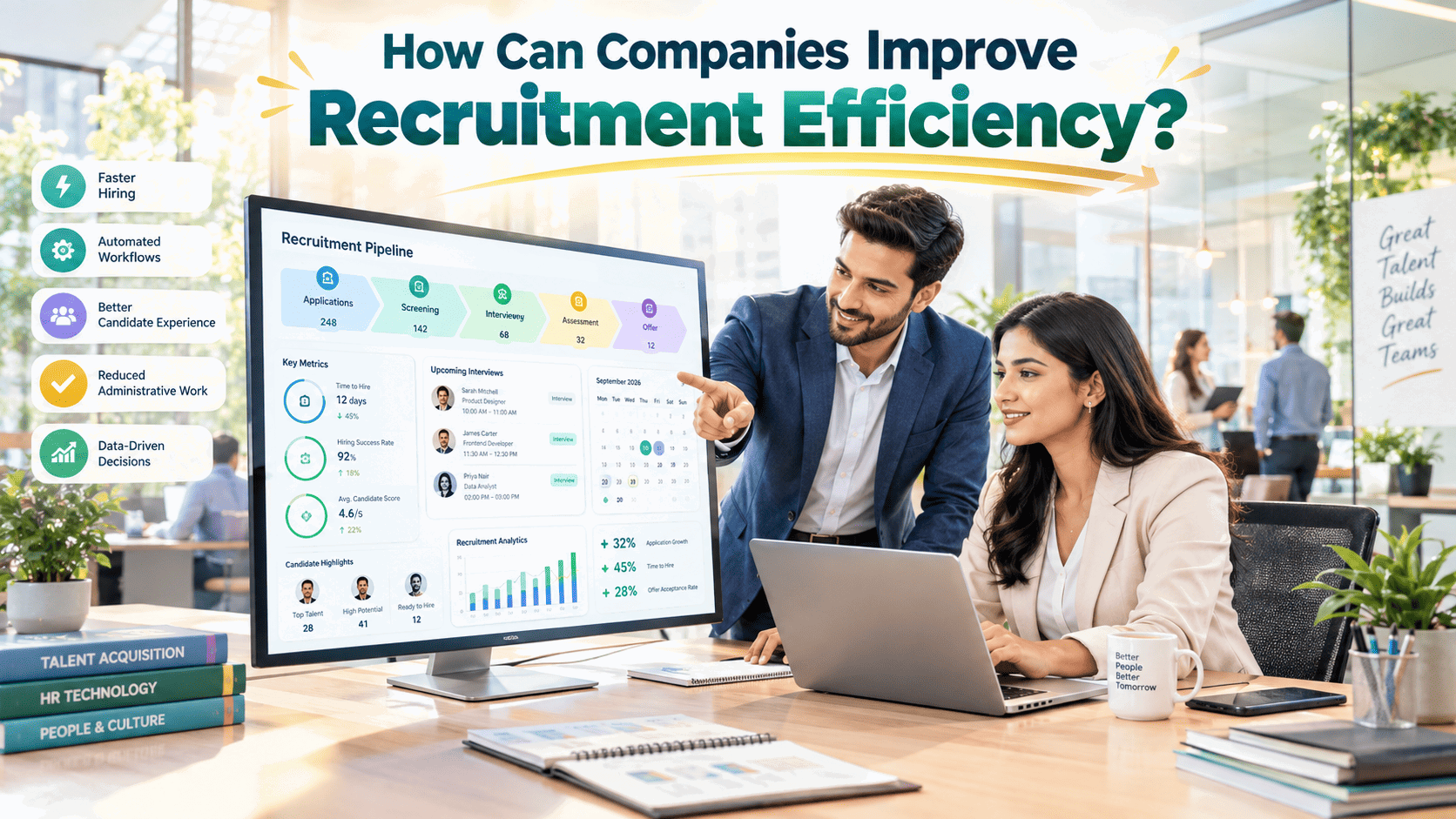
Recruitment teams can improve efficiency by creating standardized processes without making hiring unnecessarily rigid.Start by establishing clear approval workflows and consistent screening criteria. Automated scheduling can reduce administrative work, while applicant tracking systems can organize candidate information and hiring stages.
Recruiters should also review job descriptions regularly. Vague responsibilities or unrealistic requirements can discourage qualified professionals from applying.Another important factor is communication between recruiters and hiring managers. Both sides should agree on the role's expectations before candidate sourcing begins. This reduces repeated screening, inconsistent interviews, and delays in decision-making.
How Can Technology Support Better Hiring?
Modern HR technology can help recruiters organize large candidate pools, automate repetitive administrative tasks, and monitor recruitment activity. However, technology should support human judgment rather than replace it.
Automation can be particularly useful for:
- Interview scheduling
- Candidate communication
- Application tracking
- Resume organization
- Recruitment reporting
- Employee onboarding
When implemented correctly, technology allows HR professionals to spend more time evaluating candidates, strengthening relationships, and improving the overall hiring experience.
How Can Organizations Measure Workforce Performance After Hiring?
Recruitment success does not end when an offer is accepted. Organizations should also evaluate whether new employees become productive, engaged, and successful in their roles.
This is where Productivity Measuring Strategies can help businesses evaluate employee performance using meaningful indicators rather than simply counting hours worked. Depending on the position, organizations may examine completed projects, quality of work, goal achievement, customer outcomes, collaboration, and progress against role-specific objectives. The most useful measurements are aligned with job responsibilities.
For example, evaluating a salesperson through revenue-related outcomes makes more sense than judging performance solely by online activity. Similarly, creative professionals may be assessed through project quality, deadlines, and business impact.
Recruitment and performance data can also be connected to identify which hiring sources consistently produce employees who perform well and remain with the organization.
What Role Does HR Technology Play in Modern Recruitment?
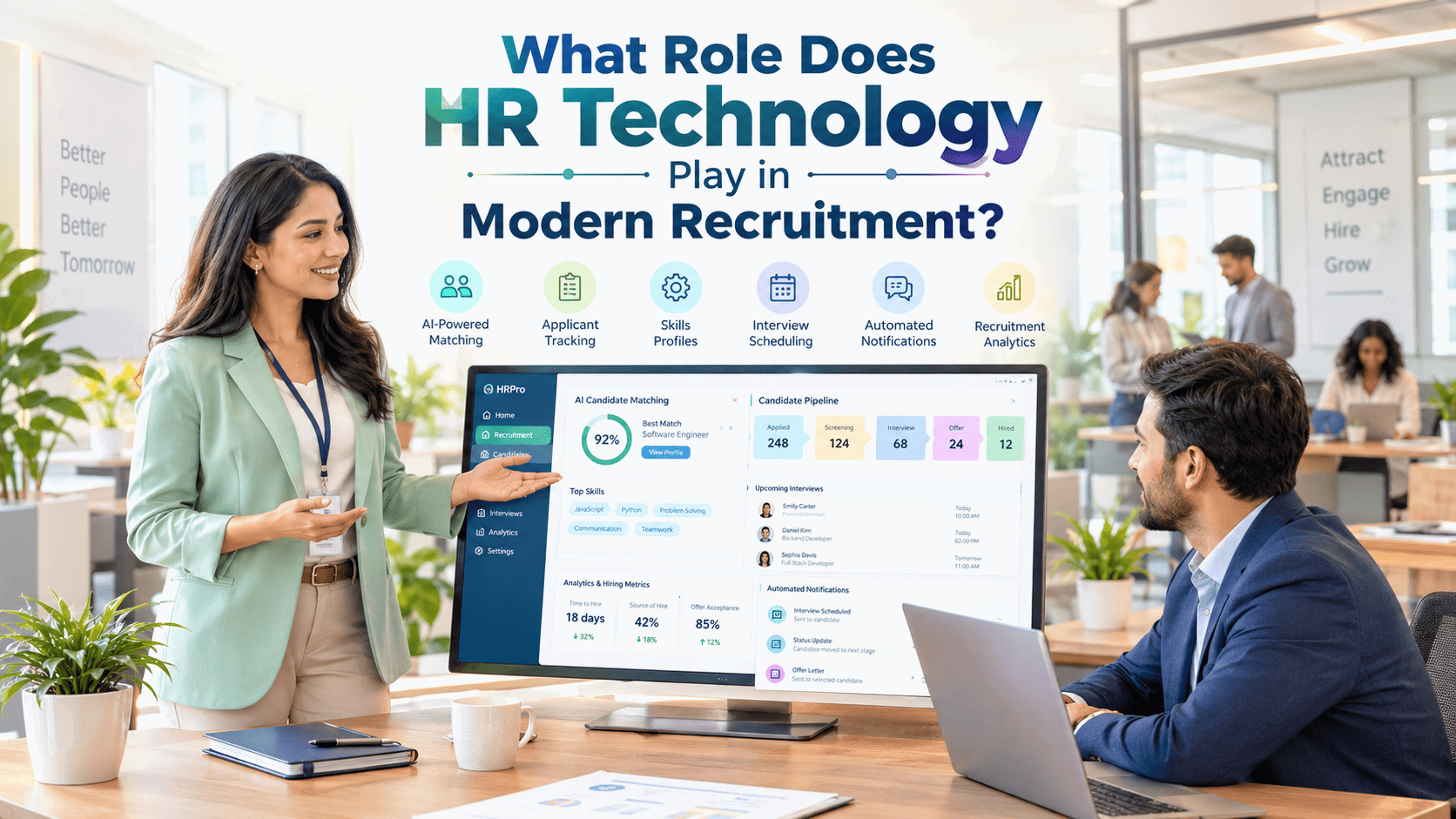
As organizations grow, managing recruitment and employee information manually can become difficult. HR Tracking Software can help centralize workforce information, monitor employee-related processes, organize records, and provide managers with greater visibility into workforce operations. When selecting such technology, organizations should consider usability, reporting capabilities, integrations, data security, scalability, and the specific needs of their HR team.
The best solution is not necessarily the one with the largest number of features. It is the platform that helps HR teams manage important processes efficiently while providing useful information for better decisions.
Best Practices for Building a Strong Recruitment Process
Businesses looking to strengthen their hiring approach should focus on consistency and continuous improvement.
Follow these practices:
- Define hiring goals: Establish what the organization needs before beginning recruitment.
- Write candidate-focused job descriptions: Explain responsibilities, expectations, and opportunities clearly.
- Expand sourcing channels: Avoid depending on one platform or candidate pool.
- Standardize interviews: Use structured questions and consistent evaluation criteria.
- Communicate quickly: Keep candidates informed throughout the process.
- Track recruitment metrics: Identify bottlenecks and successful sourcing channels.
- Review hiring outcomes: Assess retention and performance after employees join.
- Continuously improve: Use recruitment data and candidate feedback to refine the process.
You can also watch this video: How to Add Employees using EmpMonitor | EmpMonitor How-To Tutorial

Summary
Effective recruiting strategies help businesses attract qualified professionals by combining strong employer branding, targeted sourcing, structured evaluation, efficient technology, and a positive candidate experience. The strongest recruitment processes look beyond simply filling vacancies and focus on finding people who can contribute to long-term organizational success.
Frequently Asked Questions
What is the most effective recruitment strategy?
There is no single strategy that works for every organization. A combination of targeted sourcing, employee referrals, strong employer branding, structured interviews, and data-driven decision-making is generally effective.
How can companies attract top talent?
Companies can attract strong candidates by offering competitive opportunities, communicating their workplace culture clearly, providing career development, maintaining a positive reputation, and creating a smooth hiring experience.
Why is the candidate experience important?
A positive candidate experience can improve employer reputation, increase offer acceptance, and encourage candidates to recommend the organization to others.
How can recruitment performance be measured?
Organizations can track metrics such as time to hire, cost per hire, offer acceptance rate, source effectiveness, retention, and new-hire performance.
Can technology improve recruitment?
Yes. Recruitment technology can reduce administrative work, organize candidate information, automate repetitive tasks, and provide data that helps HR teams make more informed hiring decisions.
