How Can Field Force Management Software Help Manage Remote Employees?
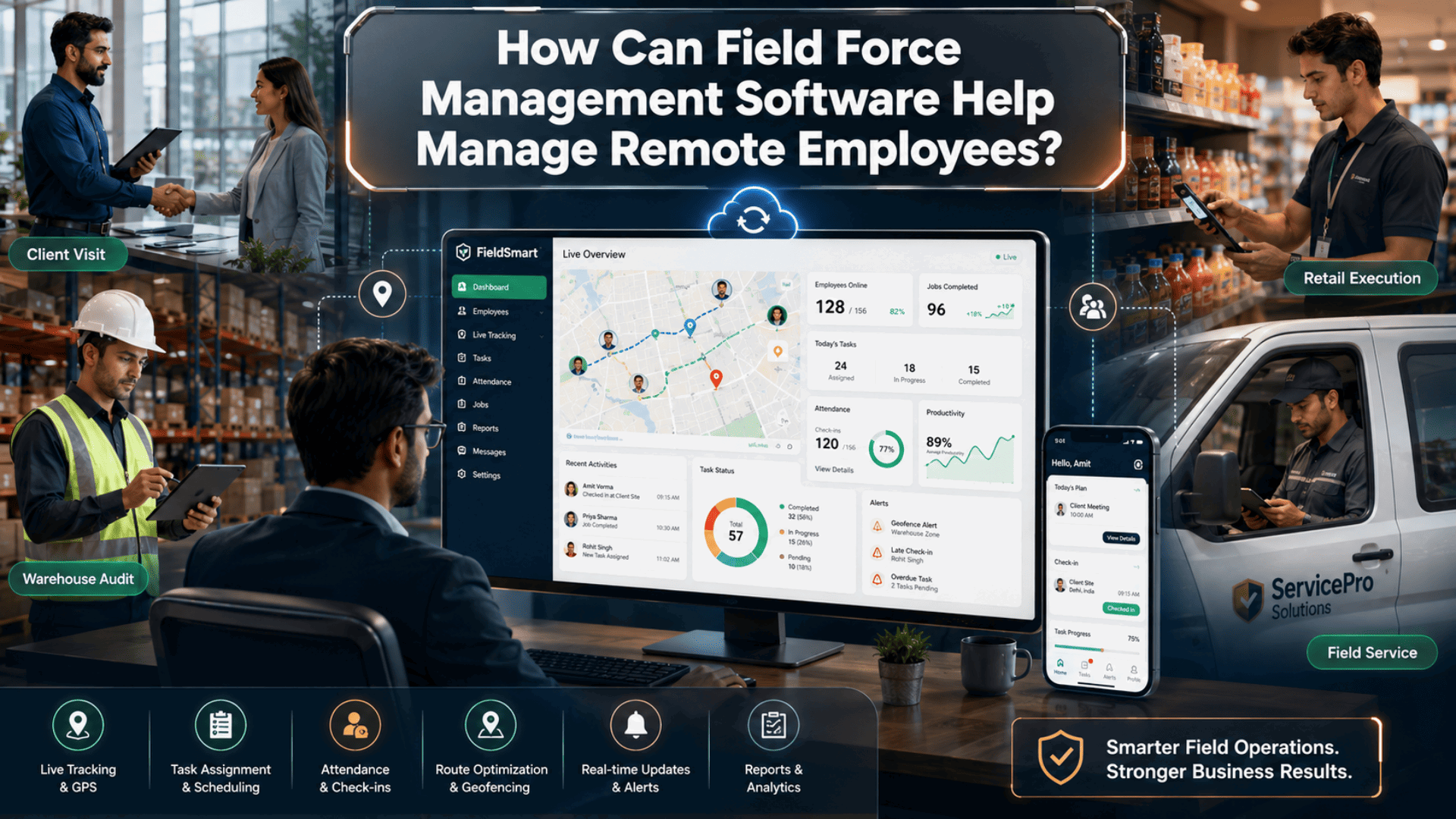
How do businesses effectively manage employees who work outside the office? Whether your teams are visiting clients, delivering products, performing maintenance, or providing on-site services, maintaining visibility without micromanaging can be challenging. Organizations need accurate insights into employee locations, task progress, work hours, and customer interactions while ensuring productivity and accountability. The right digital solution helps managers assign tasks, monitor field activities in real time, optimize routes, collect reports instantly, and improve communication between office and remote staff. It also reduces paperwork, minimizes delays, and enables faster decision-making, making remote workforce management significantly more efficient.
What Is a Field Workforce Management Solution?
A field workforce management solution, often referred to as field force management software, is a centralized platform that helps businesses coordinate employees working outside traditional office environments. It streamlines scheduling, dispatching, attendance, reporting, communication, and performance tracking from a single dashboard. Organizations in industries such as logistics, healthcare, utilities, telecommunications, construction, maintenance, and sales rely on these platforms to improve operational efficiency while delivering better customer service.Key capabilities typically include:
- Real-time employee location tracking
- Digital task assignment
- Mobile workforce scheduling
- Attendance and timesheet management
- Route optimization
- Instant reporting
- Customer visit documentation
- Performance analytics
These features provide managers with accurate operational insights while giving field employees the tools they need to complete assignments efficiently.
Why Is Managing Remote Employees So Challenging?
Unlike office-based teams, remote employees often work independently across multiple locations. Managers may struggle with:
- Limited visibility into daily activities
- Delayed reporting
- Inefficient scheduling
- Communication gaps
- Manual paperwork
- Inaccurate attendance records
- Missed appointments
- Longer travel times
Without a centralized system, these challenges can affect productivity, customer satisfaction, and overall operational costs.
How Field Force Management Software Supports Remote Employee Management
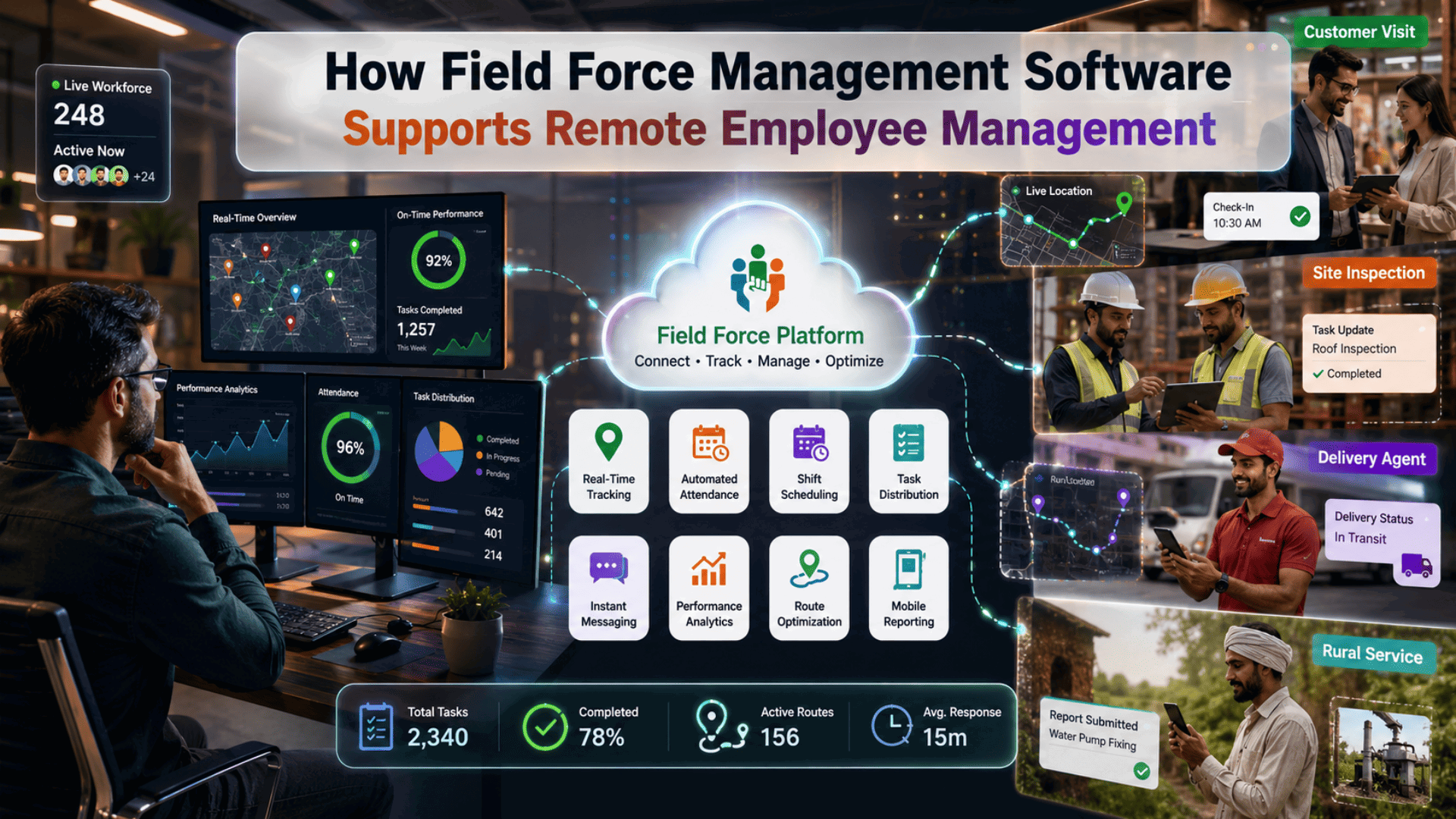
Modern field force management software enables organizations to coordinate remote teams through automation, real-time visibility, and intelligent scheduling instead of relying on spreadsheets or manual updates.
1. Simplifies Task Assignment
Managers can assign jobs instantly based on:
- Employee availability
- Skill sets
- Current location
- Work priority
- Customer urgency
Employees receive assignments directly on their mobile devices, reducing communication delays.
2. Improves Real-Time Visibility
Supervisors can monitor:
- Active jobs
- Task completion status
- Employee check-ins
- Route progress
- Customer visits
This visibility allows managers to respond quickly if schedules change or emergencies arise.
3. Optimizes Daily Routes
Smart route planning helps reduce:
- Fuel costs
- Travel time
- Missed appointments
- Vehicle wear
- Employee downtime
Optimized routing enables teams to complete more jobs within the same working hours.
4. Automates Attendance
Employees can clock in and out using mobile devices while GPS verification helps confirm work locations. Automated attendance eliminates many errors associated with manual timesheets.
5. Strengthens Team Communication
Instead of relying on phone calls or lengthy email chains, teams can exchange:
- Job updates
- Photos
- Customer signatures
- Notes
- Completed reports
Real-time communication keeps both office staff and field employees aligned throughout the day.
Key Features Businesses Should Look For
Choosing the right platform requires evaluating features that improve daily operations rather than adding unnecessary complexity.Important capabilities include:
- GPS location tracking
- Mobile employee application
- Intelligent scheduling
- Route optimization
- Digital forms
- Offline functionality
- Task notifications
- Attendance management
- Expense reporting
- Customer visit history
- Performance dashboards
- Cloud-based reporting
- Payroll integration
- Compliance monitoring
These features help businesses scale operations while maintaining consistent service quality.
Benefits for Managers and Employees
Implementing a centralized management platform creates measurable improvements across the organization.
For Managers
- Better workforce visibility
- Faster scheduling decisions
- Accurate reporting
- Reduced administrative work
- Improved customer service
- Easier performance evaluation
For Employees
- Clear daily schedules
- Faster communication
- Less paperwork
- Mobile access to assignments
- Quicker issue resolution
- Simplified reporting
The result is a more productive workforce and smoother day-to-day operations.
Integrating Additional Monitoring Tools
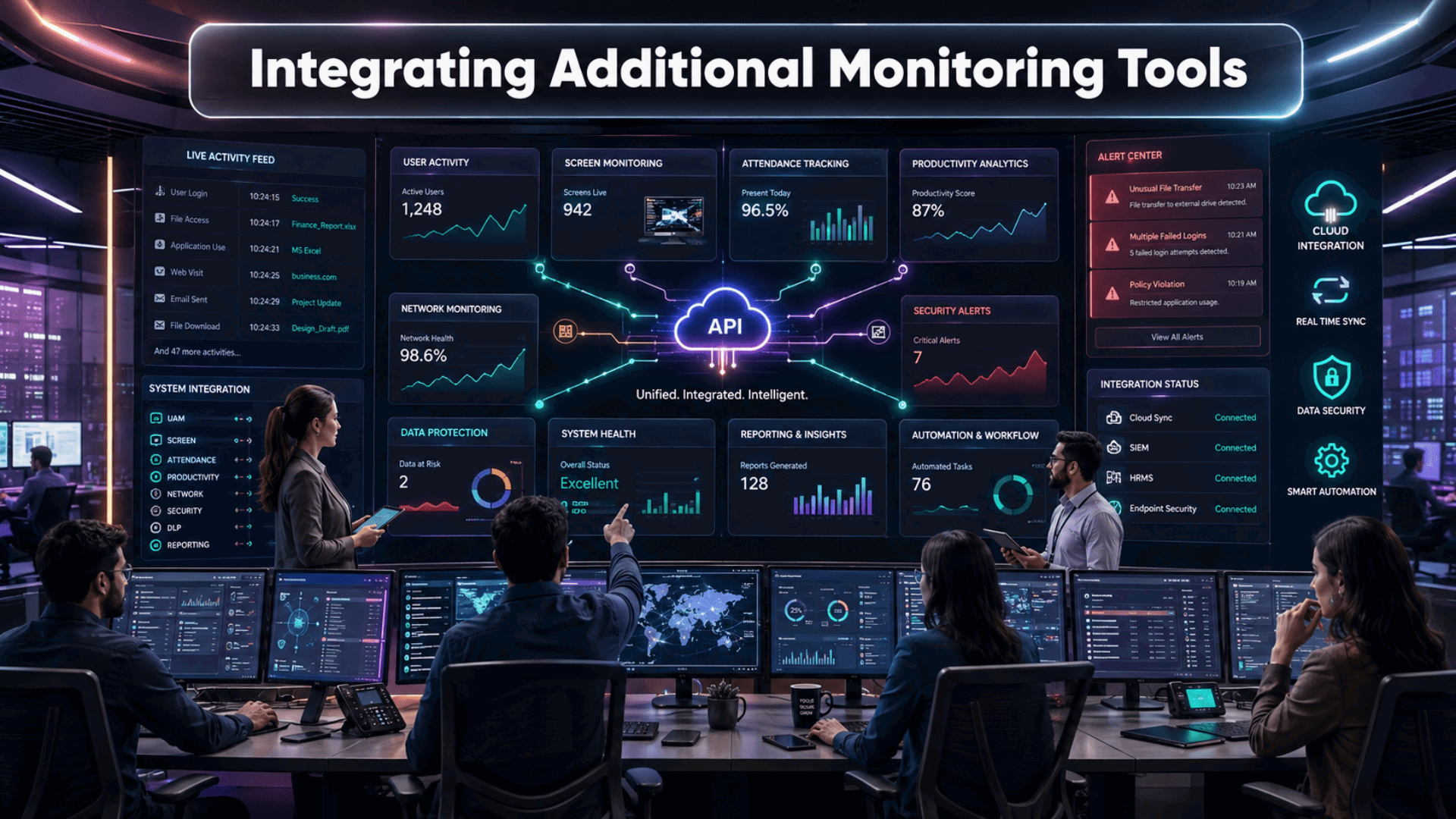
Some organizations combine workforce management solutions with live screen monitoring software when remote employees also perform administrative or customer-support tasks from laptops. This provides additional visibility into digital workflows while field management platforms continue handling scheduling, attendance, reporting, and mobile workforce coordination. Selecting complementary tools depends on business requirements, industry regulations, and privacy policies. Transparency with employees and clearly defined monitoring practices help build trust while maintaining operational accountability.
Best Practices for Successful Implementation
To maximize adoption and return on investment:
- Define clear business goals before deployment.
- Train managers and employees thoroughly.
- Start with a pilot team before company-wide rollout.
- Standardize reporting formats.
- Monitor adoption metrics regularly.
- Gather employee feedback.
- Continuously optimize workflows using analytics.
Organizations that invest in training and process improvements often achieve faster implementation and higher user satisfaction.
Choosing the Right Solution
When evaluating vendors, consider:
- Ease of use
- Mobile compatibility
- Scalability
- Security features
- Reporting capabilities
- Integration options
- Customer support
- Pricing structure
- Customization options
- Data privacy compliance
The ideal platform should support current operational needs while remaining flexible enough to accommodate future business growth. A reliable field force management software solution should improve visibility, automate repetitive tasks, and help managers make informed decisions using accurate real-time data.
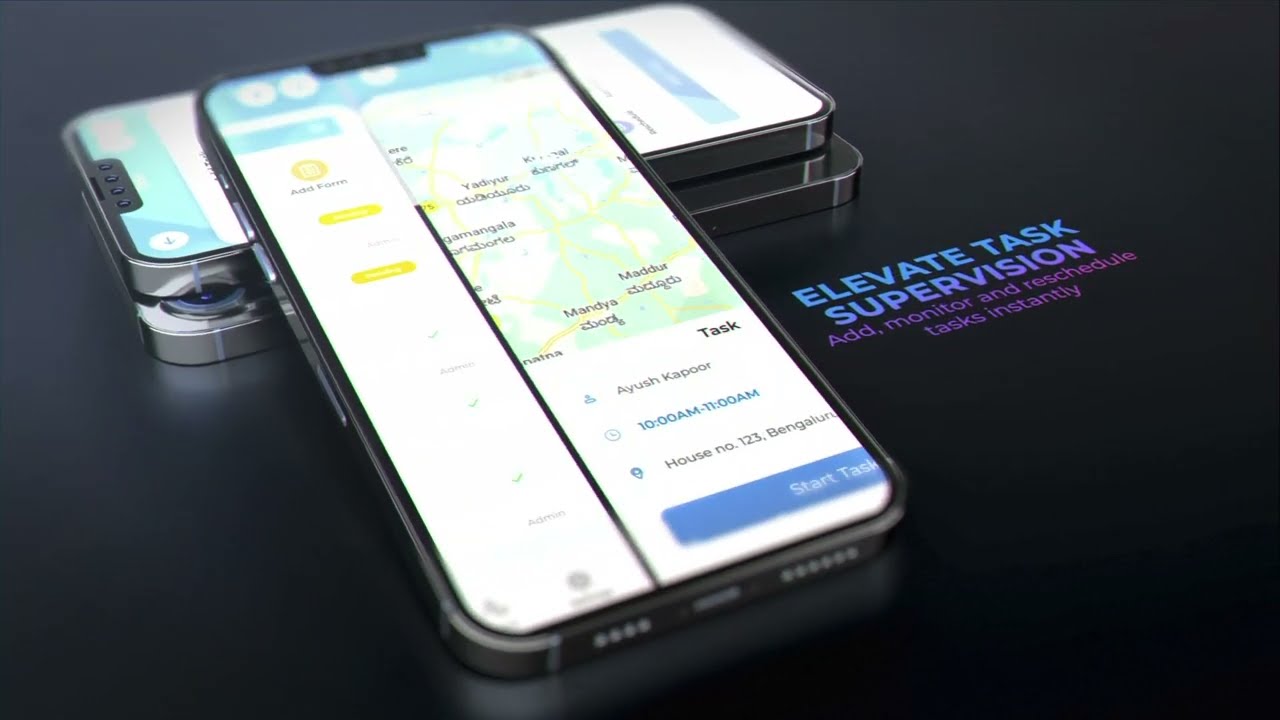
You can also watch this video: Field Force Tracking: The Ultimate App for Managing Your Mobile Workforce
Summary
Managing remote employees becomes significantly easier when organizations use field force management software with access to real-time workforce information, automated scheduling, digital reporting, and mobile collaboration tools. By replacing manual processes with intelligent automation, businesses can improve productivity, reduce operational costs, enhance customer service, and empower employees to perform their work more efficiently. Selecting a solution that aligns with operational goals and supports future growth ensures long-term value for both managers and field teams.
Frequently Asked Questions
What industries benefit from field workforce management solutions?
Industries such as logistics, construction, healthcare, utilities, telecommunications, maintenance, security services, retail, and field sales commonly use these platforms.
Does GPS tracking improve productivity?
Yes. GPS tracking helps optimize routes, reduce travel time, verify attendance, and improve scheduling efficiency.
Can employees update job status from mobile devices?
Most modern solutions allow employees to receive assignments, submit reports, upload photos, capture customer signatures, and update task progress using mobile apps.
Is cloud deployment better than on-premises software?
Cloud-based platforms generally provide easier scalability, automatic updates, remote accessibility, and lower infrastructure maintenance, making them suitable for many growing businesses.
