How Can Managers Build Better Employee Relations With Their Teams?
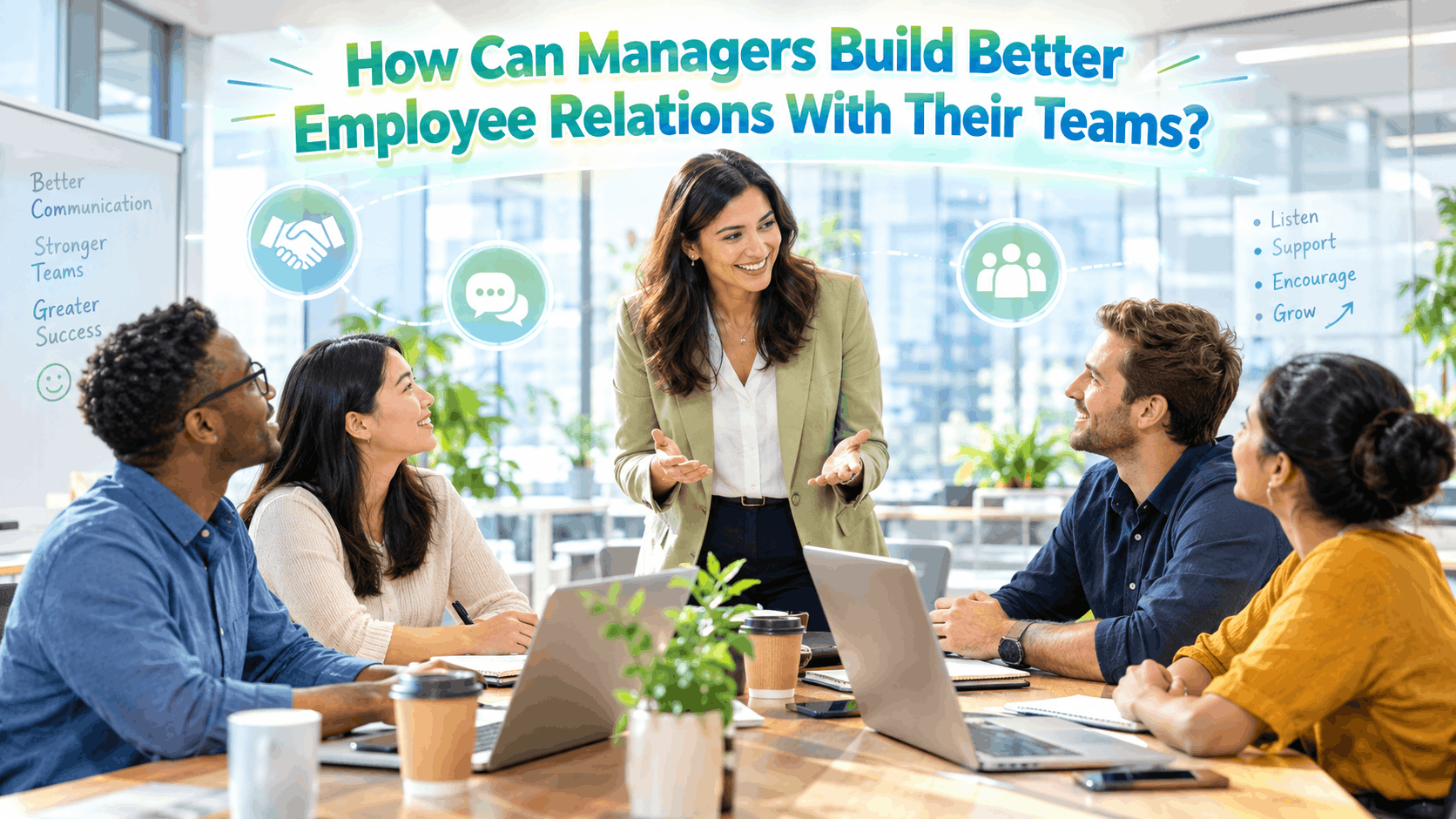
What makes employees feel valued, supported, and motivated at work? The answer often begins with how managers communicate, listen, recognize contributions, and respond to everyday concerns. Strong workplace relationships help create an environment where people can collaborate effectively, address problems constructively, and remain connected to organizational goals.
Managers play a central role in creating these conditions. Their daily interactions can influence trust, engagement, communication, productivity, and employee retention.
In simple terms, better workplace relationships come from consistent communication, mutual respect, fair treatment, meaningful recognition, and opportunities for employees to share their perspectives.
What Can Managers Do to Build Stronger Employee Relationships?
Managers can strengthen employee relations by making communication consistent, expectations clear, and support accessible. Rather than focusing only on performance outcomes, effective managers also understand the people and circumstances behind those outcomes. Here are practical approaches managers can use:
- Communicate clearly and regularly
Employees should understand priorities, responsibilities, deadlines, and changes that affect their work. Regular one-on-one conversations can prevent misunderstandings and give employees an opportunity to raise concerns early. - Listen before responding
Active listening means giving employees enough space to explain their challenges without immediately interrupting or judging. Managers can ask follow-up questions and confirm their understanding before deciding what action to take. - Set realistic expectations
Unclear priorities can create unnecessary stress and conflict. Managers should define responsibilities, establish measurable goals, and clarify how success will be evaluated. - Recognize meaningful contributions
Recognition does not always require financial rewards. A thoughtful message, public appreciation, or acknowledgment during a team meeting can reinforce positive behavior and show employees that their efforts matter. - Handle disagreements professionally
Workplace disagreements are inevitable. Managers should address issues promptly, focus on facts, allow everyone involved to explain their perspective, and work toward practical solutions rather than assigning blame.
How Does Employee Time Tracking Support Better Team Management?
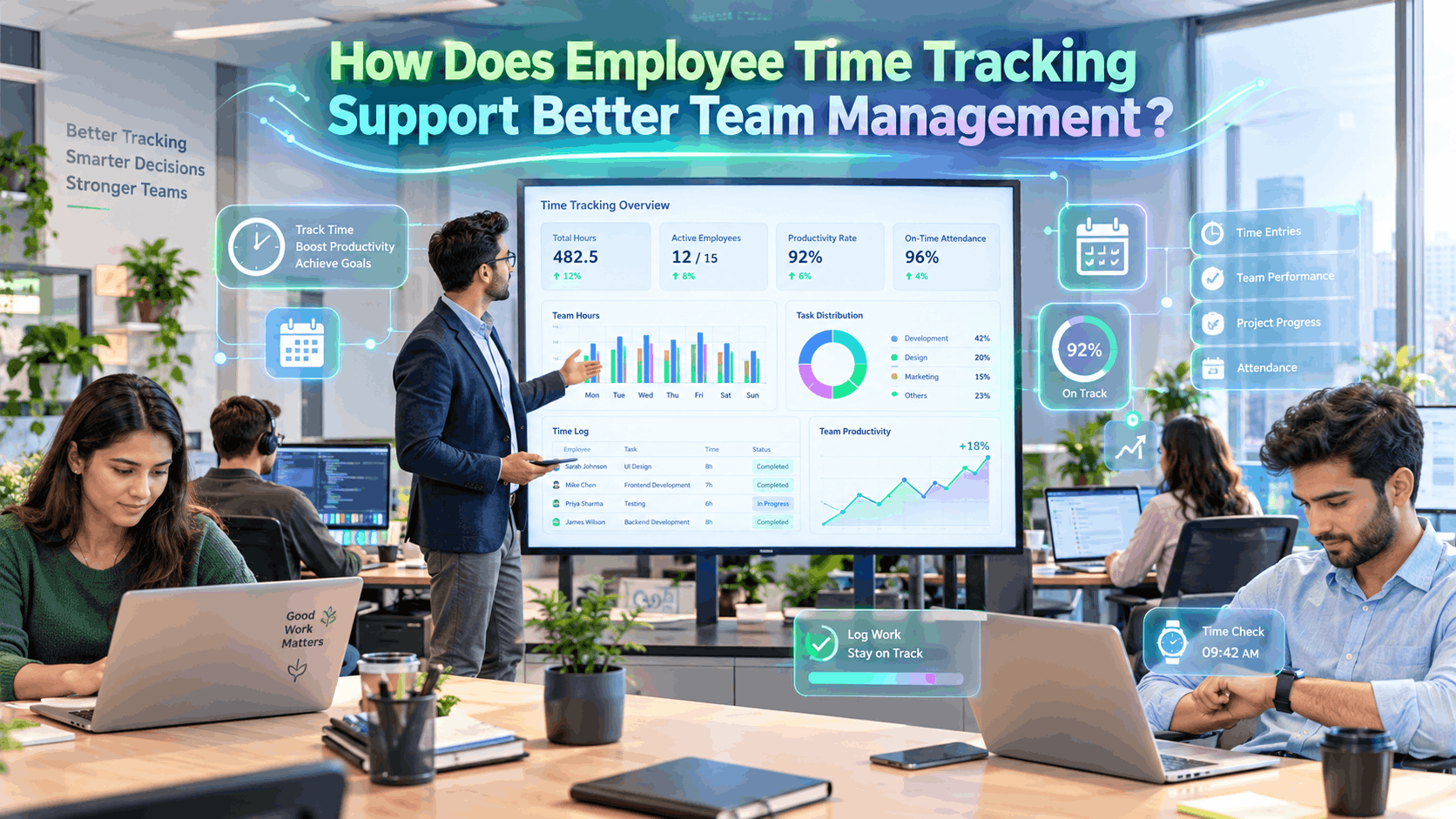
Managers often need visibility into workloads, deadlines, attendance patterns, and project requirements to distribute work effectively. Employee time tracking can provide useful information about how much time is being spent on projects and where teams may be experiencing workload imbalances. Used responsibly, time-related data can help managers:
- Identify projects that require additional resources.
- Understand whether deadlines are realistic.
- Detect recurring workload bottlenecks.
- Improve scheduling and task allocation.
- Support more accurate project planning.
- Discuss workload concerns using objective information.
The goal should not be to judge employees based solely on hours recorded. Time information becomes more useful when combined with project outcomes, task complexity, employee feedback, and business priorities.
How Can Managers Create a Culture of Trust?
Trust develops through consistent actions rather than occasional initiatives. Employees are more likely to communicate openly when managers demonstrate fairness, reliability, and transparency.
Managers can build trust by:
- Keeping commitments whenever possible.
- Explaining important decisions clearly.
- Applying workplace policies consistently.
- Giving employees reasonable autonomy.
- Protecting confidential employee concerns.
- Admitting mistakes and correcting them.
- Encouraging respectful disagreement.
Managers should also avoid creating a culture where employees feel they must constantly prove their value. Excessive pressure can discourage communication and make employees less willing to discuss challenges before they become larger problems.
How Can Employee Monitoring Be Used Responsibly?
Technology can provide managers with additional workplace insights, but employee monitoring should be approached carefully. Employees need to understand what information is collected, why it is collected, who can access it, and how it will be used. Responsible workplace monitoring should focus on legitimate business purposes such as productivity trends, security, compliance, project progress, or resource planning. It should also follow applicable laws, organizational policies, and appropriate privacy practices.
Managers can support transparency by:
- Clearly communicating monitoring policies.
- Collecting only relevant information.
- Limiting access to authorized personnel.
- Using data consistently rather than selectively.
- Focusing on patterns instead of isolated incidents.
- Giving employees opportunities to provide context.
Technology should support better decision-making rather than replace human judgment. A dashboard can highlight a potential issue, but a conversation may be necessary to understand why that issue occurred.
What Role Does Feedback Play in Stronger Teams?
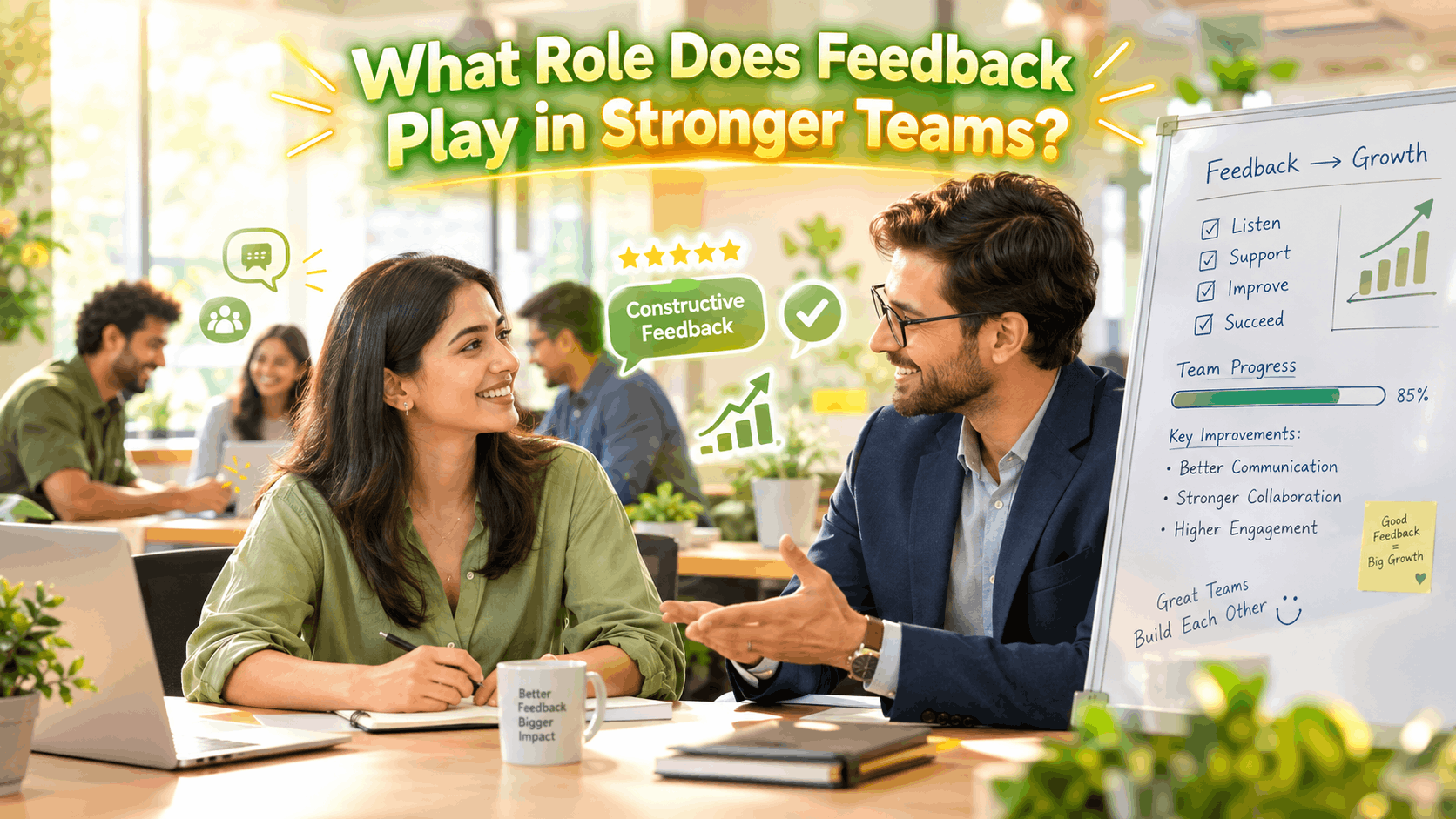
Feedback is most effective when it is specific, timely, and focused on improvement. Managers should not wait for annual reviews to discuss performance or development. A useful feedback conversation can include:
- What happened? Explain the specific behavior or outcome.
- Why does it matter? Connect it to team or business objectives.
- What can improve? Identify a practical next step.
- What support is needed? Discuss training, resources, or guidance.
- What happens next? Agree on a reasonable follow-up.
Managers should also actively seek feedback about their own leadership. Asking employees what is working and what could be improved demonstrates that communication is a two-way process.
How Can Managers Encourage Employee Development?
Employees are more likely to stay engaged when they can see opportunities to learn and progress. Managers can support development by identifying individual strengths, discussing career interests, recommending relevant training, and assigning projects that build new skills.
Development conversations can focus on:
- Current strengths and achievements.
- Skills employees want to improve.
- Future responsibilities.
- Training and learning opportunities.
- Mentoring or coaching.
- Potential career pathways.
When development becomes part of regular management conversations, employees can better understand how their current work connects with their longer-term professional goals.
You can also watch this video: How To use Monitoring Control Features of EmpMonitor? | EmpMonitor How-To Tutorial
Summary
Building strong employee relations requires more than occasional team-building activities. Managers need to communicate clearly, listen actively, recognize contributions, resolve conflicts fairly, support development, and use workplace technology responsibly. The most effective approach combines reliable management practices with genuine human interaction. When employees understand expectations, feel respected, receive useful feedback, and have opportunities to grow, teams can develop stronger collaboration and a healthier workplace culture.
FAQs
What is the foundation of strong workplace relationships?
Trust, respectful communication, fairness, active listening, recognition, and consistent management practices form the foundation of strong workplace relationships.
How can managers improve communication with employees?
Managers can schedule regular one-on-one discussions, clarify expectations, listen actively, provide timely feedback, and create safe opportunities for employees to raise concerns.
Can technology improve team management?
Yes. Appropriate workforce technologies can provide useful information about workloads, project progress, schedules, and productivity patterns when used transparently and responsibly.
How should managers handle workplace conflict?
They should address conflicts early, listen to all relevant perspectives, focus on specific facts and behaviors, avoid personal blame, and work toward a practical resolution.
Why is employee development important?
Professional development helps employees strengthen their skills, prepare for greater responsibilities, and understand potential career opportunities within an organization.
