How Does Workforce Productivity Software Help Increase Workplace Productivity?
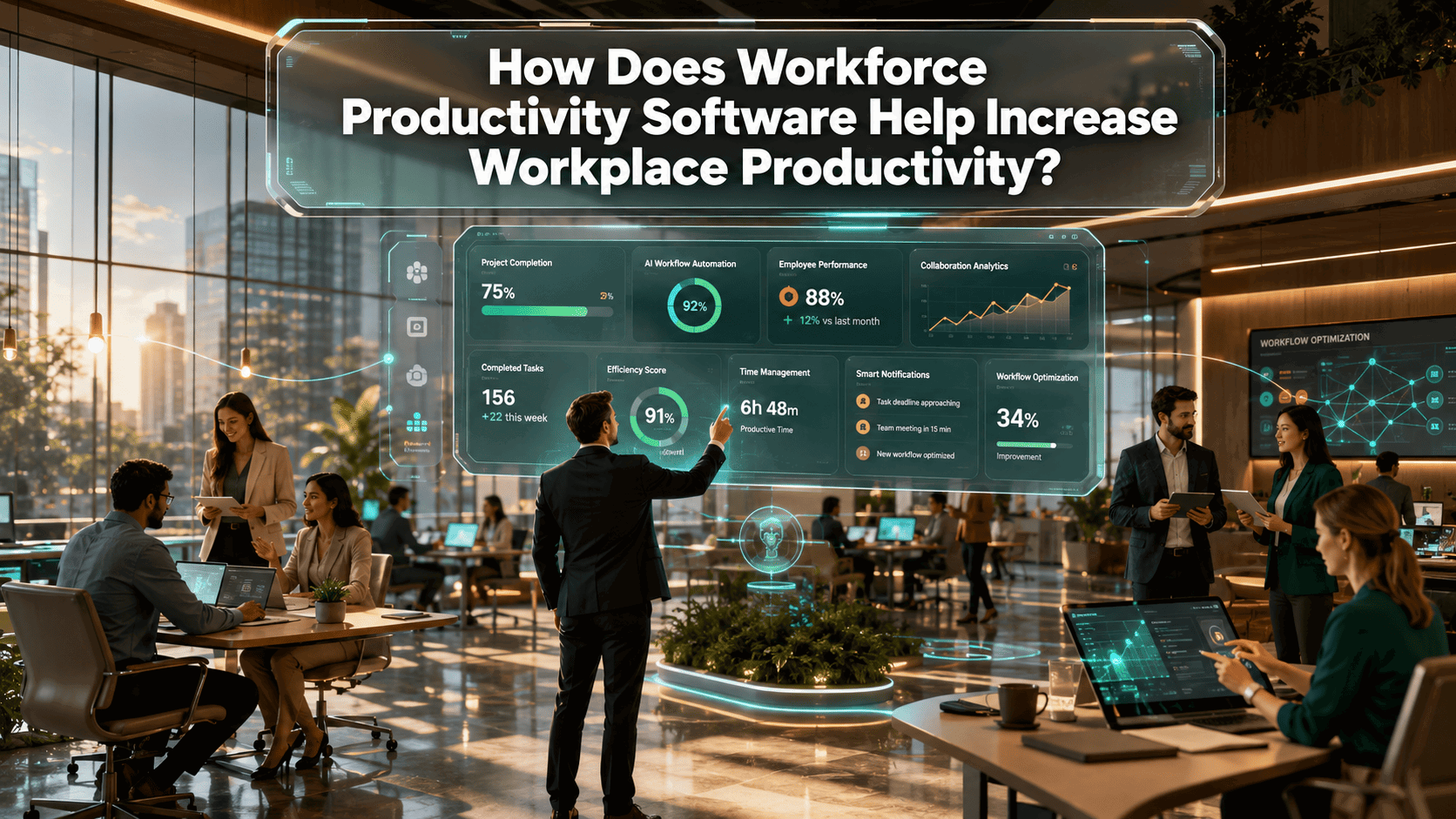
Have you ever wondered why some businesses consistently achieve higher productivity while others struggle with missed deadlines, poor collaboration, and declining performance? The answer often lies in how effectively they manage daily work. Modern organizations rely on digital solutions that provide visibility into workflows, eliminate inefficiencies, and help employees stay focused without disrupting their work.In simple terms, productivity software helps organizations track tasks, monitor progress, improve communication, and make informed decisions using real-time insights. Instead of relying on guesswork, managers gain accurate data that supports better planning, resource allocation, and employee development.Whether your team works remotely, in the office, or follows a hybrid model, the right solution can significantly improve operational efficiency while creating a more organized workplace.
What Is workforce productivity software?
Workforce productivity software is a digital solution that helps organizations monitor workflows, manage employee activities, measure performance, and optimize daily operations. It combines productivity insights with reporting, attendance tracking, task management, and analytics to help businesses improve overall efficiency.Rather than focusing solely on employee monitoring, these platforms provide valuable operational intelligence that helps managers support teams more effectively.
Why Is Workplace Productivity Important?
Productivity is more than completing tasks quickly. It reflects how efficiently employees use their time, resources, and skills to achieve business goals. Higher workplace productivity helps organizations:
- Complete projects faster
- Improve customer satisfaction
- Reduce operational costs
- Increase employee engagement
- Support better business growth
- Minimize unnecessary manual work
Companies that regularly measure performance can quickly identify bottlenecks and continuously improve their processes.
What Features Should You Look For?
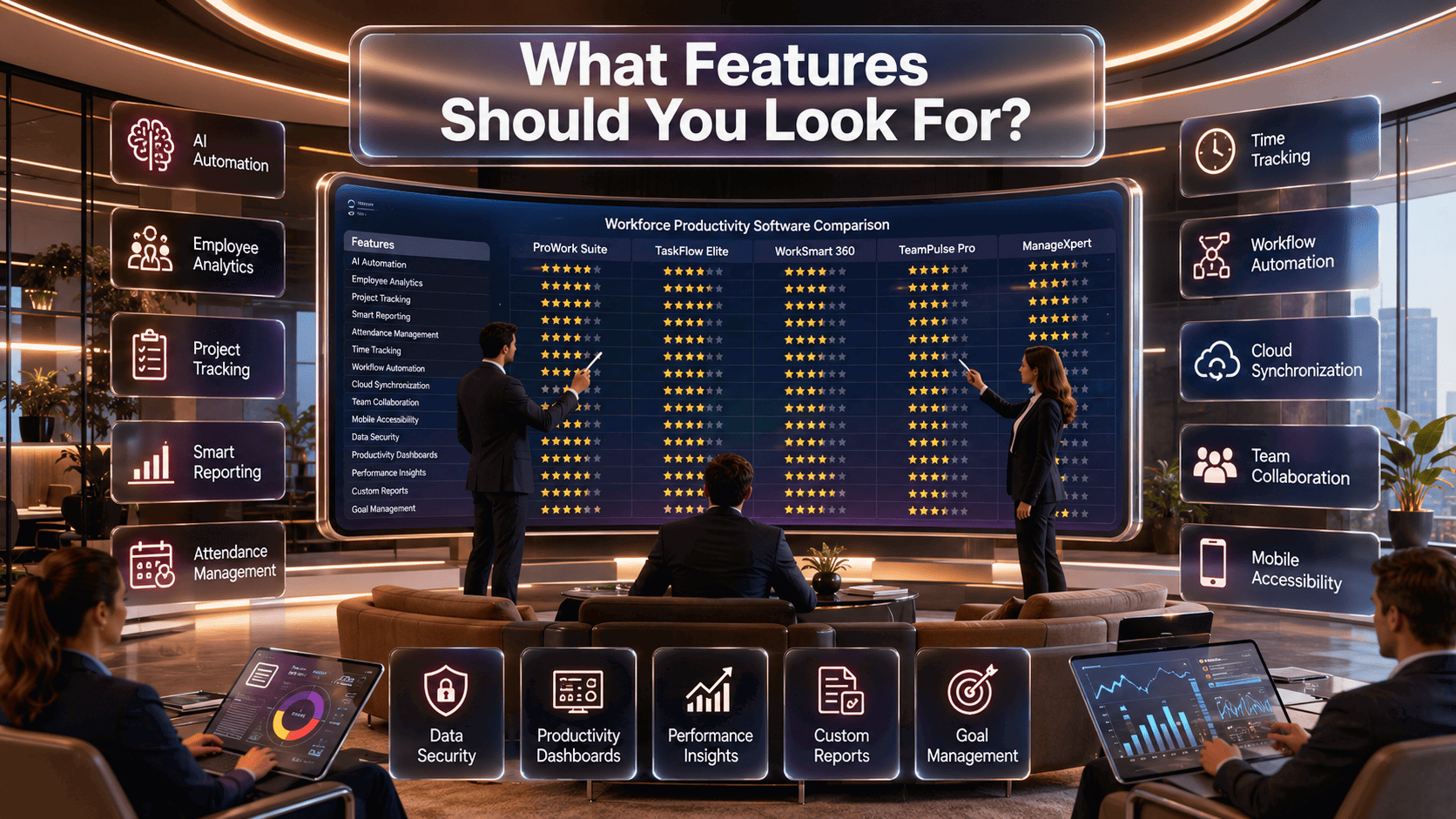
Choosing the right solution depends on your business needs, but most modern platforms include several essential capabilities.
Time Tracking
Automatically records working hours and project time, making payroll and project management much more accurate.
Task Management
Helps assign responsibilities, monitor deadlines, and ensure projects move smoothly across departments.
Attendance Monitoring
Provides accurate attendance records for office, hybrid, and remote employees while reducing manual administrative work.
Productivity Analytics
Detailed reports help managers identify trends, workload distribution, and opportunities for improvement.
Communication Support
Many solutions integrate with collaboration tools to keep teams connected regardless of location.
Performance Dashboards
Interactive dashboards provide managers with clear insights into organizational performance using real-time data.
How Does It Improve Employee Performance?
Organizations often struggle because they lack visibility into daily work activities. Productivity platforms solve this challenge by providing actionable information instead of assumptions. Some major benefits include:
- Better workload balancing across teams
- Faster identification of workflow bottlenecks
- Improved accountability
- Reduced idle time
- Clear performance benchmarks
- Data-driven coaching opportunities
Employees also benefit because expectations become clearer, progress becomes measurable, and achievements are easier to recognize.
How Does It Support Remote and Hybrid Teams?
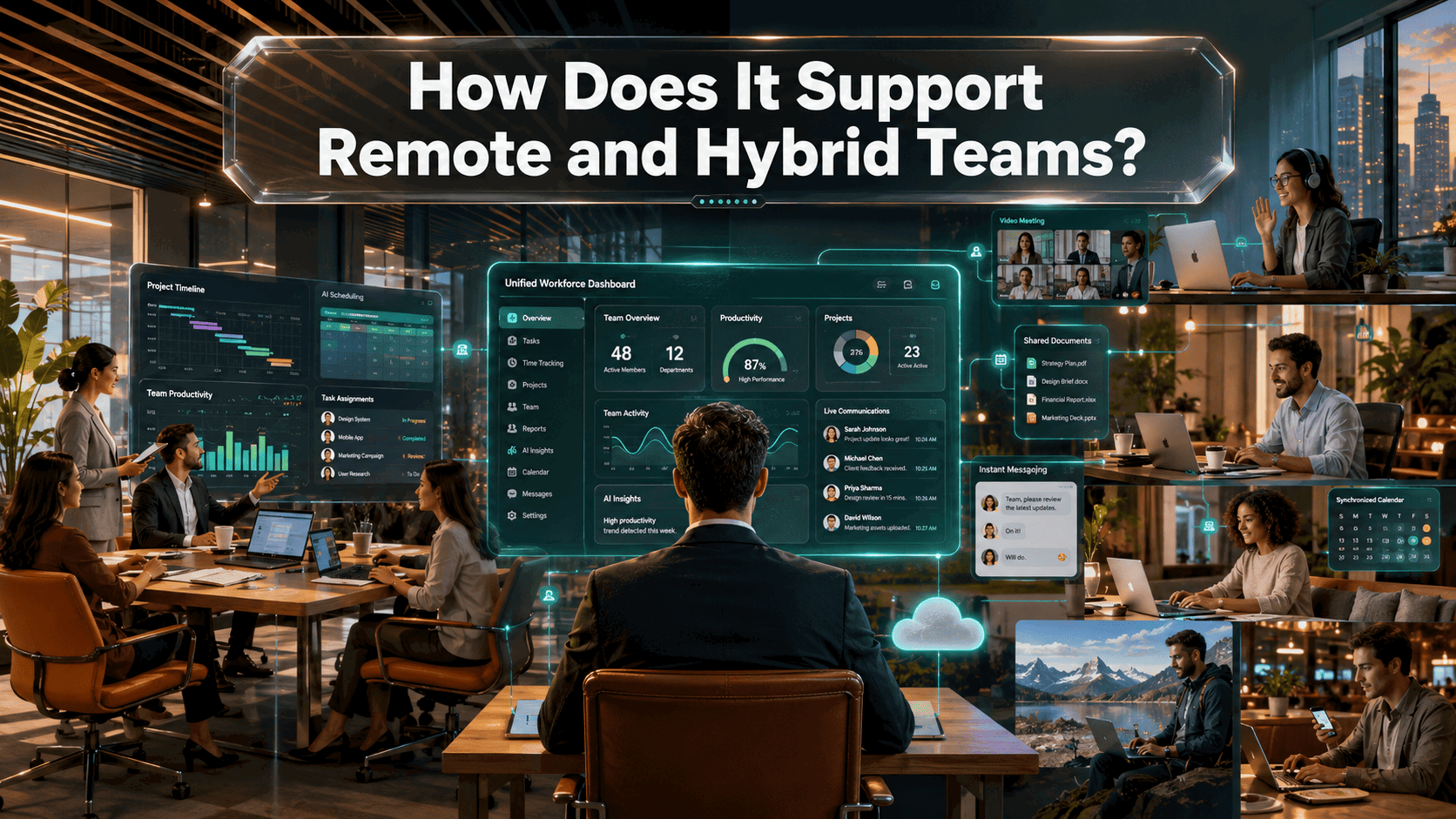
Managing distributed teams requires more than regular meetings. Managers need reliable information about ongoing work without creating unnecessary interruptions.This is where live screen monitoring software can complement productivity management by providing real-time visibility into ongoing activities when used responsibly and transparently. Combined with communication tools and project tracking, it helps organizations maintain operational consistency while supporting remote collaboration.Remote employees also gain from:
- Better task visibility
- Easier communication
- Simplified reporting
- Faster issue resolution
- Greater flexibility with accountability
When implemented with clear policies, these tools encourage trust through transparency rather than constant supervision.
Best Practices for Successful Implementation
Technology alone cannot improve productivity. Organizations should combine software with effective management strategies.Consider these best practices:
- Clearly communicate monitoring policies.
- Focus on productivity improvement rather than surveillance.
- Train employees before implementation.
- Set measurable performance goals.
- Review reports regularly.
- Use insights to coach instead of punish.
- Continuously optimize workflows using collected data.
A transparent implementation process helps employees understand that the goal is improving efficiency, not invading privacy.
How Can Businesses Measure Success?
After implementation, organizations should monitor key performance indicators such as:
- Project completion rates
- Employee utilization
- Attendance consistency
- Average task completion time
- Customer satisfaction
- Revenue per employee
- Team collaboration metrics
Regular analysis allows managers to make informed decisions that support continuous improvement.
Why Businesses Are Investing in Modern Productivity Solutions
Today's workplace is increasingly data-driven. Business leaders need accurate insights to remain competitive while supporting employee well-being.Organizations that invest in workforce productivity software often experience improved operational visibility, stronger collaboration, better resource planning, and more consistent business performance. Instead of relying on manual tracking or assumptions, they gain reliable information that enables faster decision-making and long-term growth.
You can also watch this video: How To Manage All The Employee Workplace Activities | EmpMonitor How-To Tutorial Series
Summary
Improving workplace productivity requires more than hard work—it requires smarter management backed by reliable data. Workforce productivity software helps organizations streamline workflows, improve collaboration, reduce inefficiencies, and support better decision-making. By combining performance analytics, task management, attendance tracking, and transparent monitoring practices, businesses can build a more productive workforce while creating an environment where employees and organizations grow together.
Frequently Asked Questions
What is workforce productivity software?
It is a business solution that helps organizations monitor work processes, manage tasks, analyze productivity, and improve overall operational efficiency using real-time insights.
Is productivity software suitable for small businesses?
Yes. Many solutions are scalable and can help small businesses improve organization, employee accountability, and project management without requiring large IT investments.
Does productivity software improve remote work?
Yes. It provides managers with visibility into workflows while helping remote employees stay organized, communicate effectively, and meet project deadlines.
Can productivity software increase employee engagement?
Yes. Clear goals, transparent performance tracking, and recognition based on measurable achievements often improve motivation and engagement.
