User Activity Monitoring Software: Benefits, Features, and Best Practices
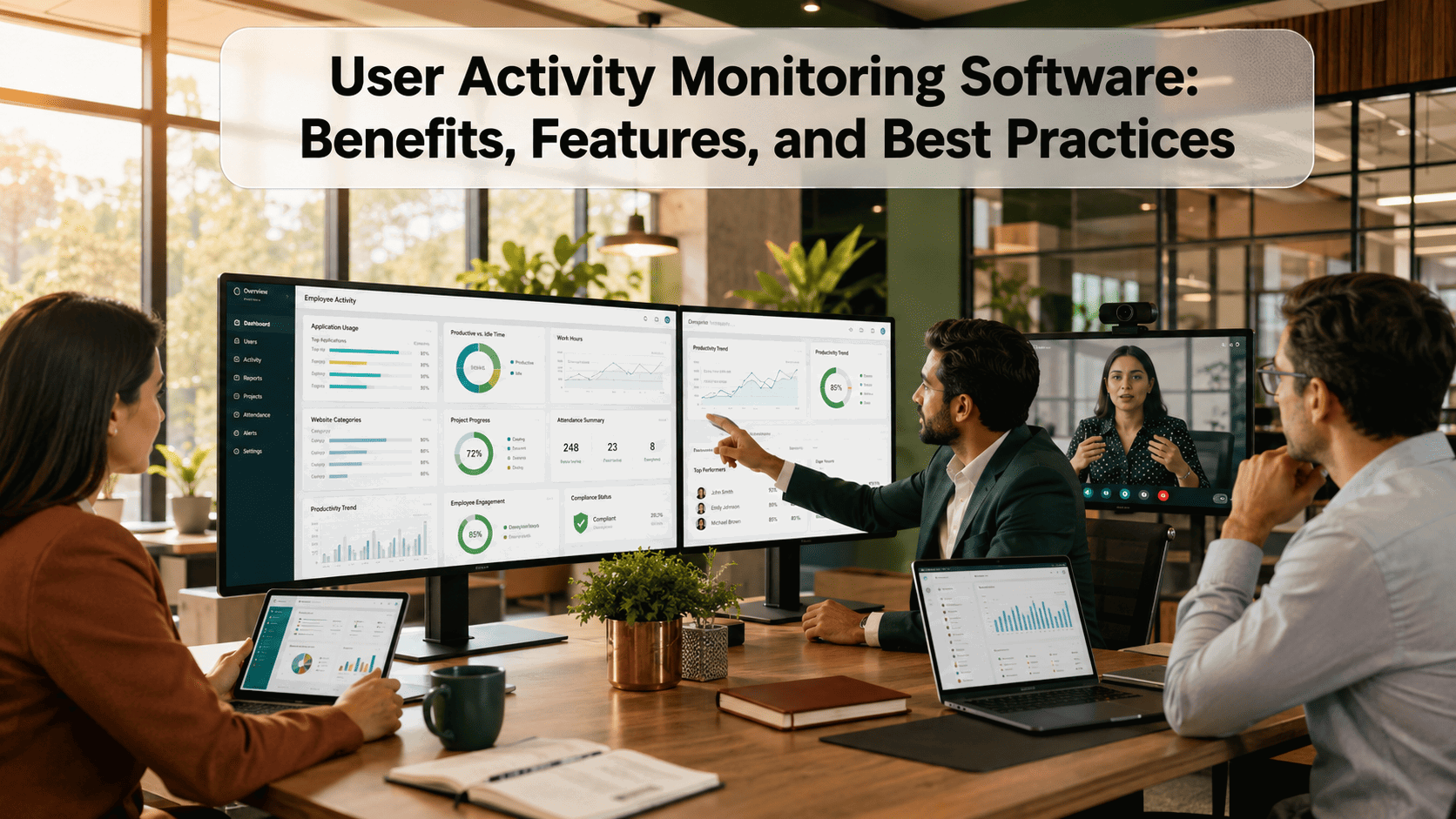
How can businesses improve productivity, strengthen security, and maintain compliance without disrupting employee trust? The answer lies in understanding how employee activities are monitored and using the right technology responsibly.Organizations today manage distributed teams, cloud applications, and sensitive business information across multiple devices. As a result, leaders need better visibility into workplace operations while ensuring data remains protected. Modern monitoring solutions help businesses identify workflow bottlenecks, detect unusual behavior, and encourage accountability without relying on manual supervision.When implemented with clear policies and transparency, user activity monitoring software enables organizations to gain actionable insights, improve operational efficiency, and reduce security risks while supporting a positive workplace culture.
Why Do Businesses Monitor User Activity?
Monitoring workplace activity is no longer limited to security teams. HR departments, IT administrators, and business managers all benefit from understanding how digital resources are being used. User activity monitoring software provides the visibility organizations need to track workplace activities, identify operational inefficiencies, strengthen security, and make informed decisions based on real-time insights. Some of the most common reasons include:
- Improving workforce productivity
- Identifying inefficient processes
- Detecting suspicious user behavior
- Protecting confidential business information
- Supporting regulatory compliance
- Optimizing resource allocation
- Improving project management and accountability
The objective should never be surveillance for its own sake. Instead, businesses should focus on creating measurable improvements that benefit both employees and the organization.
Key Benefits for Modern Organizations
Improved Productivity
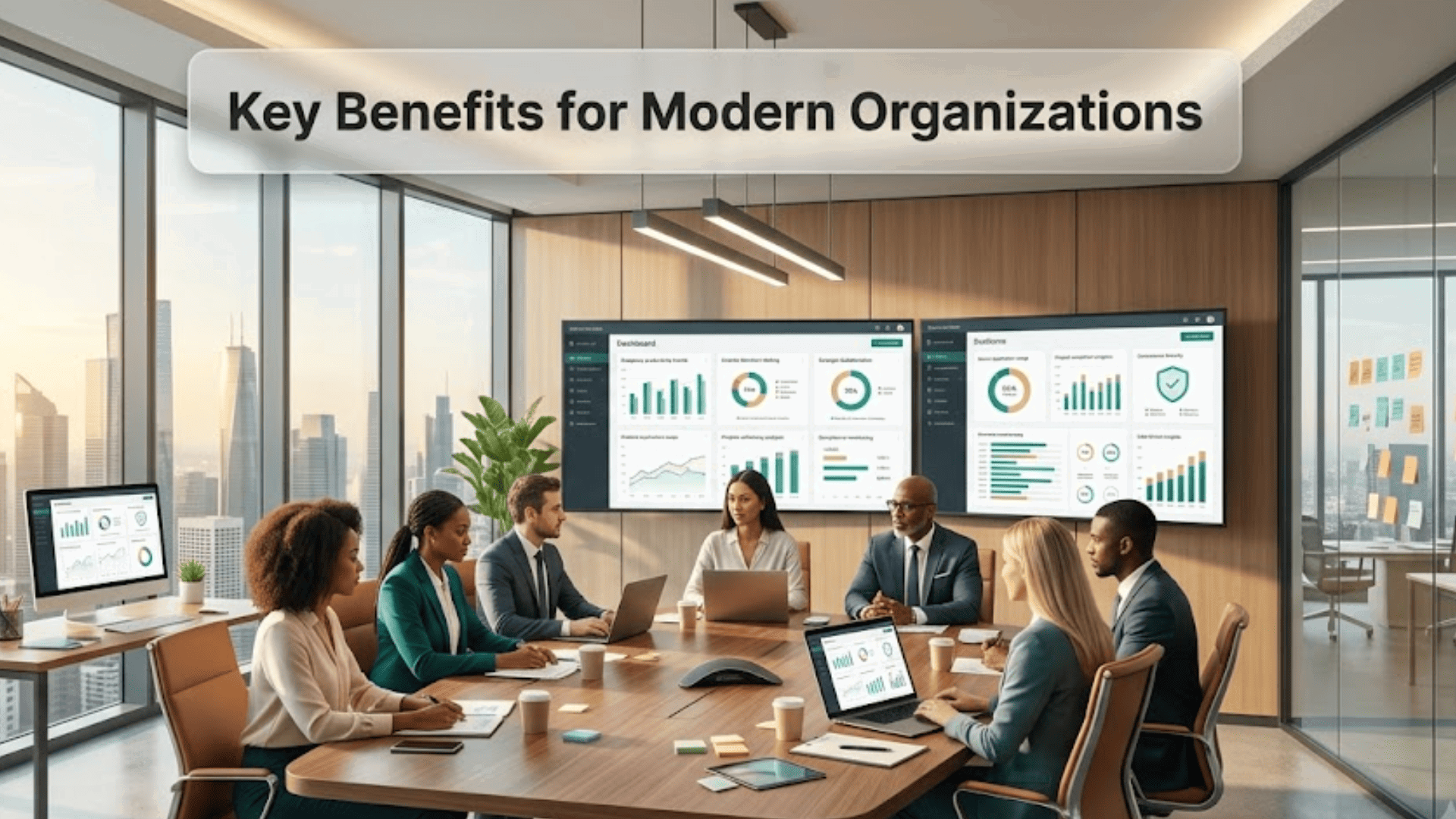
Managers gain visibility into work patterns, application usage, and task completion trends. This information helps identify distractions, streamline workflows, and allocate resources more effectively. Rather than making assumptions, leaders can make decisions based on reliable operational insights.
Enhanced Security
Unusual login behavior, unauthorized file access, or abnormal application usage can often indicate potential security threats. Early visibility enables IT teams to respond before small issues become larger incidents.
Better Compliance
Many industries require organizations to maintain audit trails and demonstrate appropriate access controls. Activity monitoring supports compliance efforts by providing accurate records of system usage.
Smarter Workforce Management
Monitoring insights reveal where teams spend their time, which processes slow productivity, and where automation can reduce repetitive work.
Data-Driven Decision Making
Executives can evaluate trends instead of isolated events. Historical reports help organizations improve policies, training programs, and operational strategies.
Essential Features to Look For
Choosing the right solution requires evaluating features that align with business objectives.
Real-Time Activity Monitoring
Administrators should receive immediate visibility into user actions across systems and business applications.
Application and Website Tracking
Understanding which applications contribute to productivity helps organizations optimize software investments.
Screen Monitoring
Visual evidence can provide additional context during investigations, compliance reviews, or quality assurance processes.
File Activity Tracking
Monitoring file creation, modification, downloads, and transfers helps reduce unauthorized access to sensitive information.
Alerts and Notifications
Automated alerts notify administrators when predefined policies are violated or unusual behavior is detected.
Reporting and Analytics
Comprehensive dashboards transform raw activity into meaningful business insights through charts, trends, and customizable reports.
Role-Based Access Controls
Not every administrator requires access to every report. Granular permissions improve both security and privacy.
Best Practices for Successful Implementation
Technology alone cannot create positive outcomes. Successful implementation depends on thoughtful planning and transparent communication.
1. Be Transparent
Inform employees about what is being monitored, why it is necessary, and how collected information will be used.
2. Focus on Business Goals
Monitoring should support measurable objectives such as improving efficiency, protecting company assets, or meeting compliance requirements.
3. Respect Employee Privacy
Avoid collecting unnecessary personal information. Monitor only activities directly related to legitimate business operations.
4. Establish Clear Policies
Document acceptable use policies, monitoring procedures, and employee responsibilities to eliminate confusion.
5. Review Data Regularly
Insights become valuable only when organizations consistently analyze reports and take appropriate action.
6. Integrate with Existing Security Strategies
Monitoring becomes significantly more effective when combined with identity management, endpoint protection, incident response, and data loss prevention software to create a comprehensive cybersecurity framework.
Common Challenges and How to Overcome Them
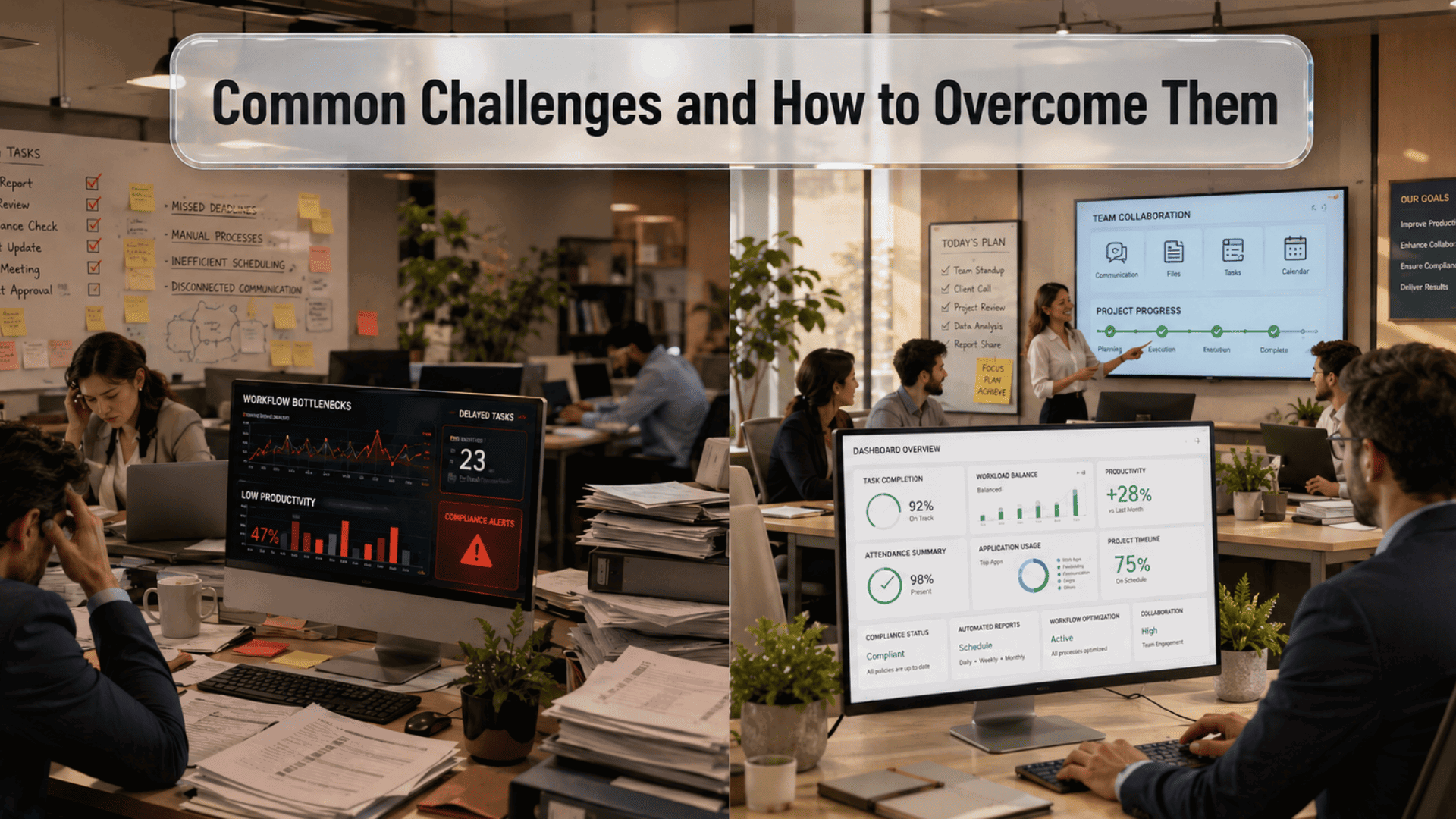
Organizations often encounter obstacles during deployment, but most can be addressed through careful planning.
Employee Resistance
Employees may initially feel uncomfortable if monitoring lacks transparency.
Solution: Clearly communicate business objectives, privacy protections, and expected benefits.
Excessive Data Collection
Large volumes of activity data can overwhelm administrators.
Solution: Configure meaningful alerts and prioritize actionable metrics.
False Positives
Not every unusual activity represents malicious behavior.
Solution: Combine automated alerts with contextual analysis before taking action.
Poor Policy Enforcement
Technology cannot compensate for unclear organizational policies.
Solution: Develop consistent guidelines and train employees regularly.
Future Trends
Digital workplaces continue to evolve, and monitoring technologies are becoming increasingly intelligent.Emerging capabilities include:
- AI-powered behavioral analytics
- Predictive risk detection
- Automated compliance reporting
- Cloud-native monitoring platforms
- Improved privacy controls
- Unified visibility across hybrid work environments
These innovations help organizations move from reactive monitoring toward proactive operational improvement.
You can also watch this video: User Activity Monitoring Software: Benefits, Features, and Best Practices

Summary
Organizations need visibility to improve efficiency, protect valuable information, and support informed decision-making. When deployed responsibly with transparent policies, user activity monitoring software helps businesses strengthen security, optimize productivity, and build more efficient workflows without sacrificing employee trust. The most successful implementations balance operational insights with privacy, combine monitoring with broader security initiatives, and continuously refine policies based on measurable business outcomes.
Frequently Asked Questions
What is user activity monitoring?
It is the process of recording and analyzing employee interactions with business systems, applications, and digital resources to improve security, productivity, and compliance.
Is activity monitoring legal?
In many jurisdictions, yes, provided organizations comply with applicable labor, privacy, and data protection laws and communicate monitoring practices appropriately.
Who benefits from activity monitoring?
IT administrators, security teams, HR professionals, operations managers, compliance officers, and business leaders all benefit from improved operational visibility.
Does activity monitoring reduce productivity?
When implemented transparently and used to improve workflows rather than micromanage employees, it often helps increase efficiency and identify opportunities for process improvement.
What features should businesses prioritize?
Look for real-time monitoring, reporting, alerts, application tracking, file activity monitoring, screen monitoring, analytics, and role-based access controls.
