Why Is Talent Management Essential for Developing High-Performing Teams?
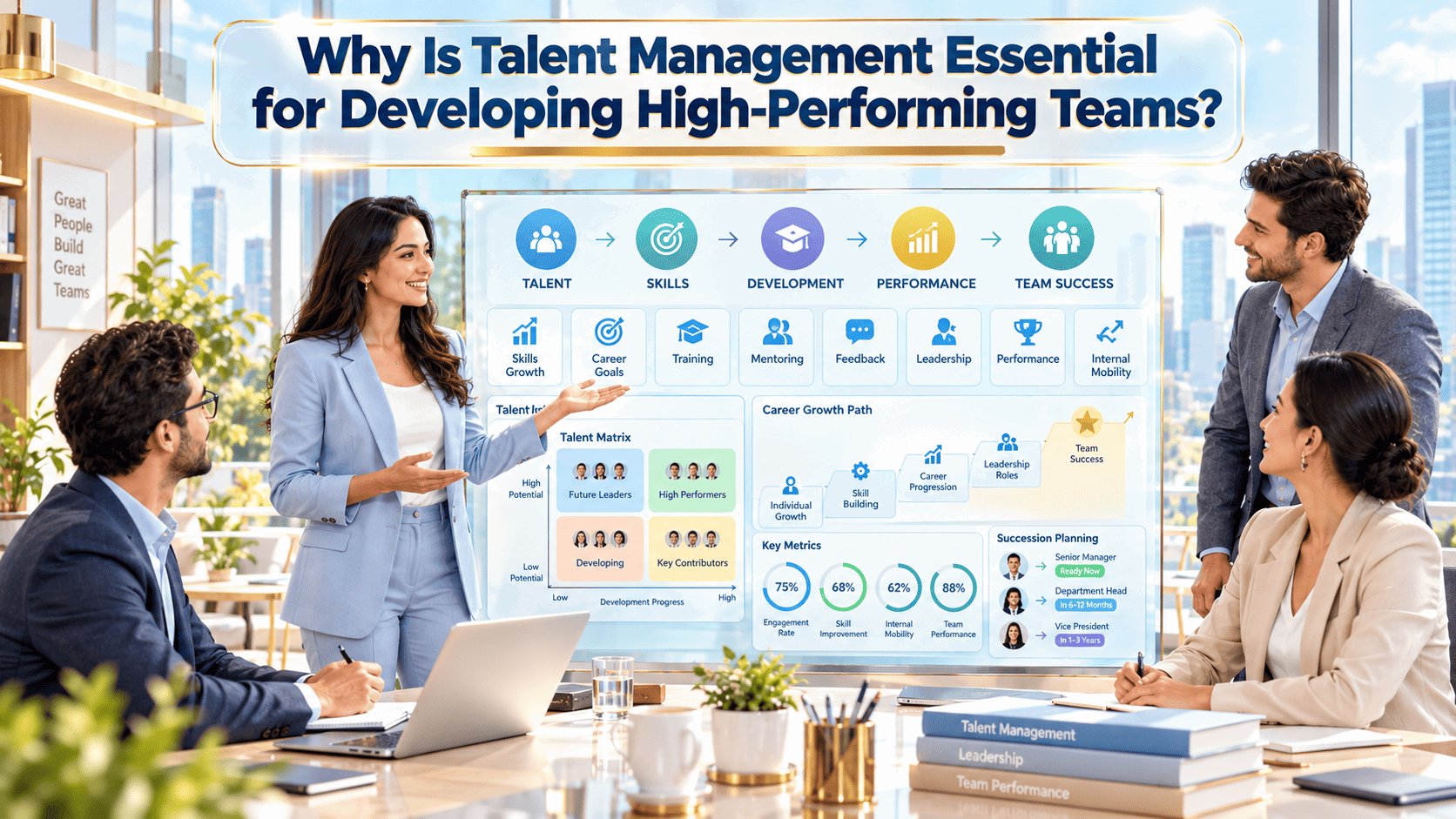
How can businesses build teams that consistently perform, adapt to change, and contribute to long-term growth? The answer begins with understanding employees’ skills, goals, potential, and career aspirations while connecting them with organizational objectives. Talent Management is a strategic approach to attracting, developing, engaging, and retaining employees so businesses can build capable teams and prepare future leaders. It goes beyond hiring by connecting recruitment, employee development, performance improvement, succession planning, and retention into a continuous process. For organizations seeking sustainable performance, effective workforce practices help ensure that the right people are placed in the right roles, given opportunities to grow, and supported with clear expectations.
What Is a Strategic Talent Approach?
A strategic approach to managing talent focuses on identifying employee capabilities and creating opportunities that allow those capabilities to deliver business value. It covers the employee lifecycle, from recruitment and onboarding to development, advancement, and retention.A strong approach typically includes:
- Identifying current and future workforce needs
- Recruiting people with relevant skills
- Providing learning and development opportunities
- Setting clear performance expectations
- Recognizing employee contributions
- Preparing employees for leadership responsibilities
- Reducing avoidable employee turnover
The objective is not simply to manage employees. It is to create an environment where people can develop their abilities while contributing meaningfully to organizational goals.
Why Is It Important for High-Performing Teams?
High-performing teams rarely emerge by accident. They are built through clear goals, capable leadership, effective communication, and continuous development. Organizations can strengthen team performance by connecting individual capabilities with business priorities. When employees understand how their work contributes to larger objectives, they are more likely to remain focused and accountable. Effective workforce strategies can also help businesses:
- Identify skill gaps: Managers can determine where employees need additional training or support.
- Improve internal mobility: Employees can move into roles that better match their abilities and career goals.
- Strengthen engagement: Development opportunities can give employees a stronger sense of progression.
- Support succession planning: Organizations can prepare promising employees for future responsibilities.
- Improve retention: Employees who see meaningful growth opportunities may have stronger reasons to remain with an organization.
How Can Businesses Build an Effective Strategy?
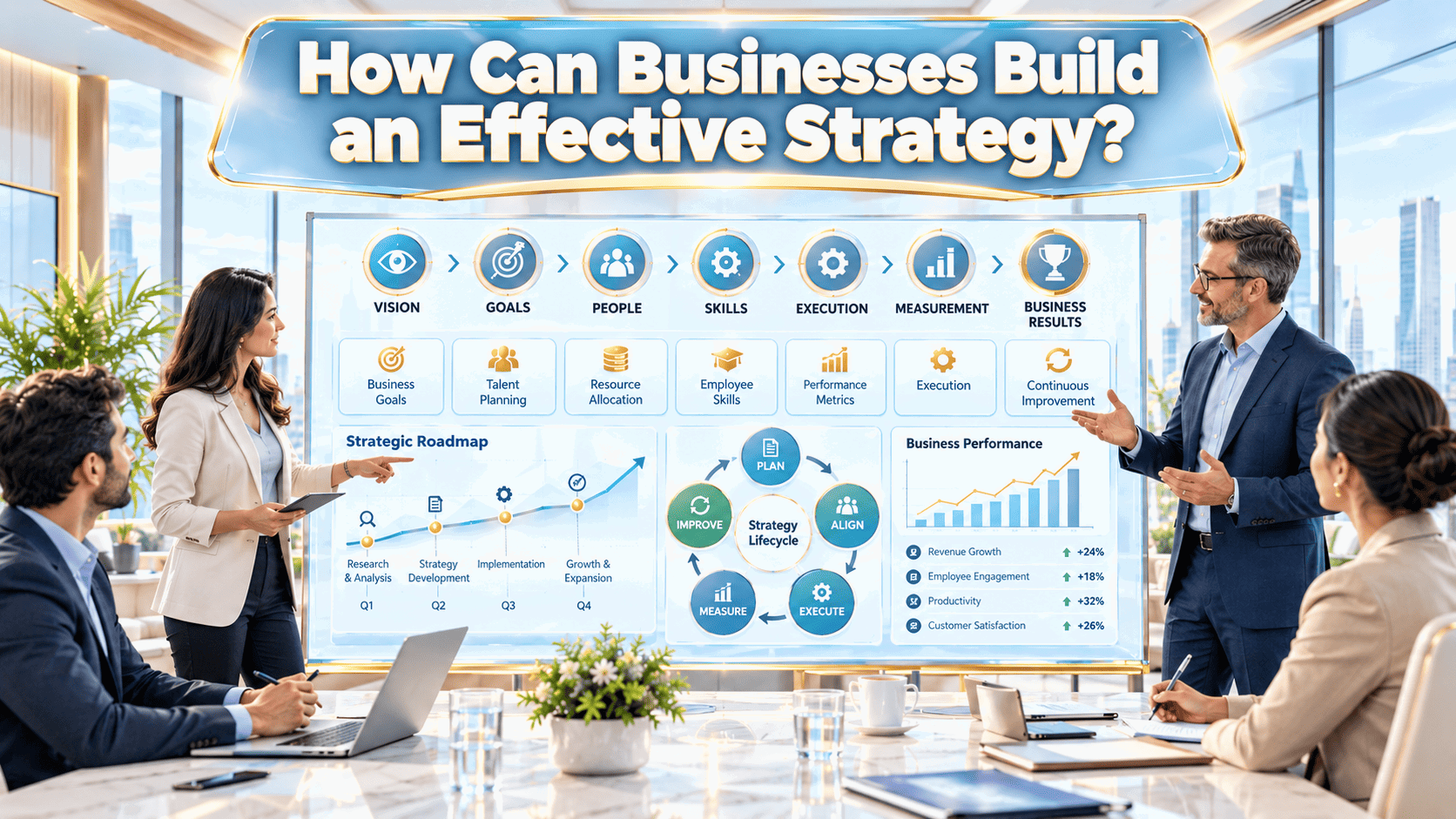
A practical strategy should be connected to measurable business needs rather than treated as a separate HR activity.
1. Define Workforce Requirements
Start by identifying the skills and roles required to achieve current and future business objectives. Consider both immediate vacancies and capabilities the organization may need as it grows.
2. Develop Employees Continuously
Employee development should extend beyond occasional training sessions. Businesses can provide mentoring, coaching, job rotations, workshops, and practical learning opportunities. Managers should also discuss career aspirations with employees and create realistic development paths based on individual strengths and organizational needs.
3. Encourage Effective Work Habits
Employee development becomes more useful when individuals can organize their responsibilities effectively. Time Management Techniques such as prioritizing important tasks, setting realistic deadlines, minimizing distractions, and breaking complex projects into smaller activities can help employees manage workloads more efficiently. Managers can reinforce these habits by setting clear priorities instead of assigning competing tasks without context. Teams also benefit when deadlines, responsibilities, and expectations are communicated clearly.
4. Recognize and Reward Contributions
Recognition does not always have to involve financial rewards. Meaningful feedback, professional opportunities, increased responsibility, and public acknowledgment can demonstrate that employee contributions are valued. Consistent recognition can also help managers reinforce behaviors that support collaboration, accountability, and business objectives.
How Can Technology Support Employee Development?
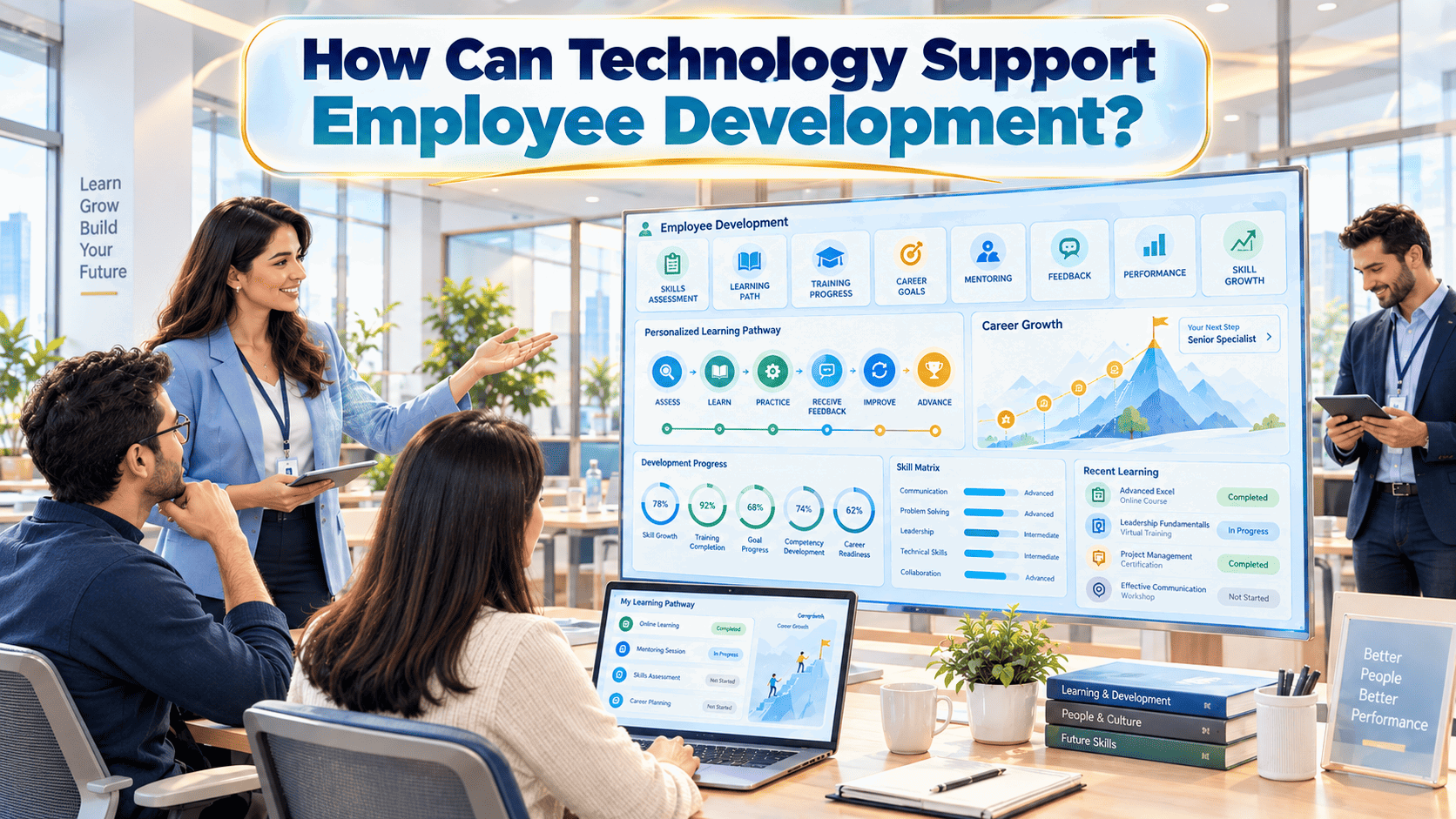
Technology can make workforce processes more organized by giving managers better visibility into work patterns, progress, and development needs. A Performance Tracking System can help organizations monitor goals, review progress, document feedback, and identify areas where employees may need additional support. Instead of relying entirely on memory or occasional reviews, managers can use structured information to have more informed development conversations. The value comes from using technology responsibly. Performance information should support coaching and improvement rather than create unnecessary pressure. Clear policies, transparency, appropriate access controls, and respect for employee privacy are important when organizations use workforce data.
What Are the Common Challenges?
Even well-designed strategies can face obstacles. Common challenges include:
- Unclear performance expectations
- Limited development budgets
- Inconsistent managerial feedback
- Lack of career progression
- Poor communication between teams
- Difficulty identifying emerging skills
- Overreliance on annual performance reviews
Businesses can address these issues by making development an ongoing process. Regular one-to-one conversations, clearly defined goals, relevant training, and continuous feedback can create a more responsive employee experience.
How Does It Contribute to Long-Term Business Growth?
Organizations need more than strong individual performers; they need teams capable of adapting as business requirements change. A structured workforce development strategy helps create that foundation by connecting employee capabilities with organizational priorities. When businesses understand workforce strengths, address skill gaps, develop future leaders, and provide meaningful career opportunities, they can build greater organizational resilience. It also encourages businesses to think beyond immediate vacancies. Instead of asking only, “Who do we need today?” leaders can consider, “What capabilities will we need tomorrow, and how can we develop them?”
You can also watch this video: How To Do User Management Setting | EmpMonitor How-To Tutorial Series
Summary
Talent Management helps businesses attract capable employees, develop their skills, improve performance, prepare future leaders, and retain valuable talent. When these activities are connected to clear business objectives, organizations can create stronger teams and support sustainable growth.
Frequently Asked Questions
What is the main purpose of a talent strategy?
Its main purpose is to attract, develop, engage, and retain employees while aligning workforce capabilities with business objectives.
How does employee development improve performance?
Training, coaching, feedback, and career opportunities help employees strengthen relevant skills and perform their responsibilities more effectively.
Why is succession planning important?
Succession planning helps organizations prepare capable employees for critical roles and reduce disruption when leadership or specialist positions become vacant.
Can technology improve workforce development?
Yes. Properly implemented workforce and performance tools can organize goals, progress information, feedback, and development data to support better management decisions.
