How to Build an Employee Development Plan for Long-Term Career Growth
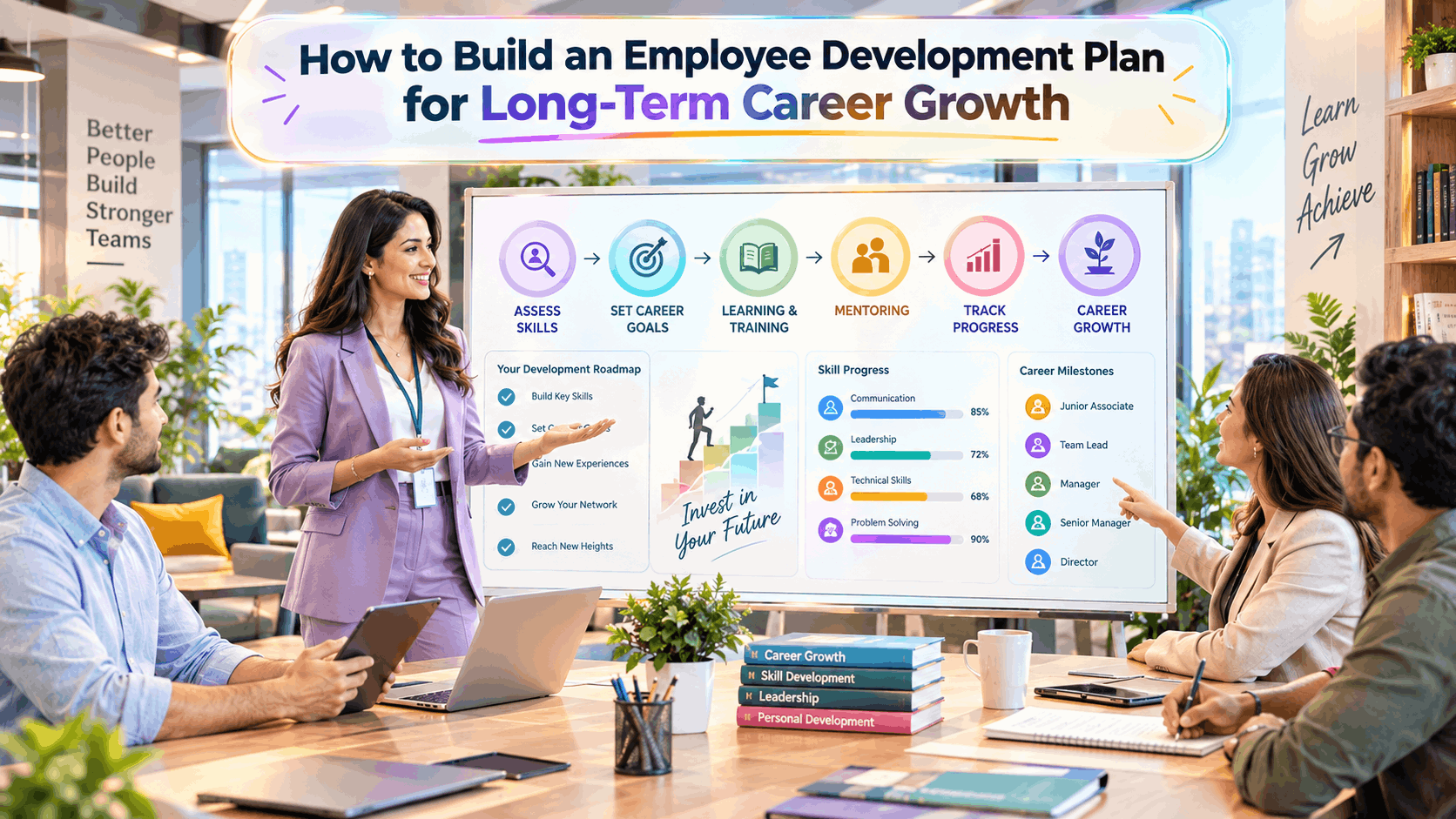
How do organizations ensure their employees keep learning, improving, and staying engaged over time? The answer lies in having a structured approach to growth that aligns individual ambitions with business goals.An effective strategy for employee growth includes clear goal-setting, skill development opportunities, regular feedback, and measurable outcomes. When done right, it improves retention, productivity, and long-term success—for both employees and employers.
What Is an Employee Development Plan?
An employee development plan is a structured framework that outlines an individual’s career goals, the skills they need to develop, and the steps required to achieve professional growth within an organization. It typically includes timelines, training methods, and performance metrics.
Why Employee Development Matters More Than Ever
Modern workplaces are evolving rapidly, and employees expect more than just a paycheck. They want growth, purpose, and continuous learning.
Key Benefits:
- Higher employee engagement
- Improved retention rates
- Stronger leadership pipeline
- Better organizational performance
Investing in employee growth also reduces the need for constant hiring by nurturing internal talent.
Core Components of a Strong Development Plan
1. Clear Career Goals
Start by identifying where the employee wants to go. This includes both short-term and long-term objectives.
2. Skills Assessment
Evaluate current strengths and gaps. This helps in designing targeted learning strategies.
3. Learning Opportunities
Provide access to:
- Online courses
- Workshops
- Mentorship programs
- On-the-job training
4. Actionable Timeline
Break goals into achievable milestones with deadlines to maintain momentum.
5. Regular Feedback and Evaluation
Frequent check-ins ensure progress stays on track and adjustments can be made when needed.
How to Build an Effective Development Strategy
Step 1: Align Individual Goals with Business Objectives
Ensure that employee ambitions contribute to organizational success. This creates a win-win situation.
Step 2: Identify Skill Gaps
Use performance reviews, self-assessments, and manager feedback to pinpoint areas for improvement.
Step 3: Create a Personalized Learning Path
No two employees are the same. Tailor development activities based on:
- Role requirements
- Learning style
- Career aspirations
Step 4: Integrate Performance Tracking
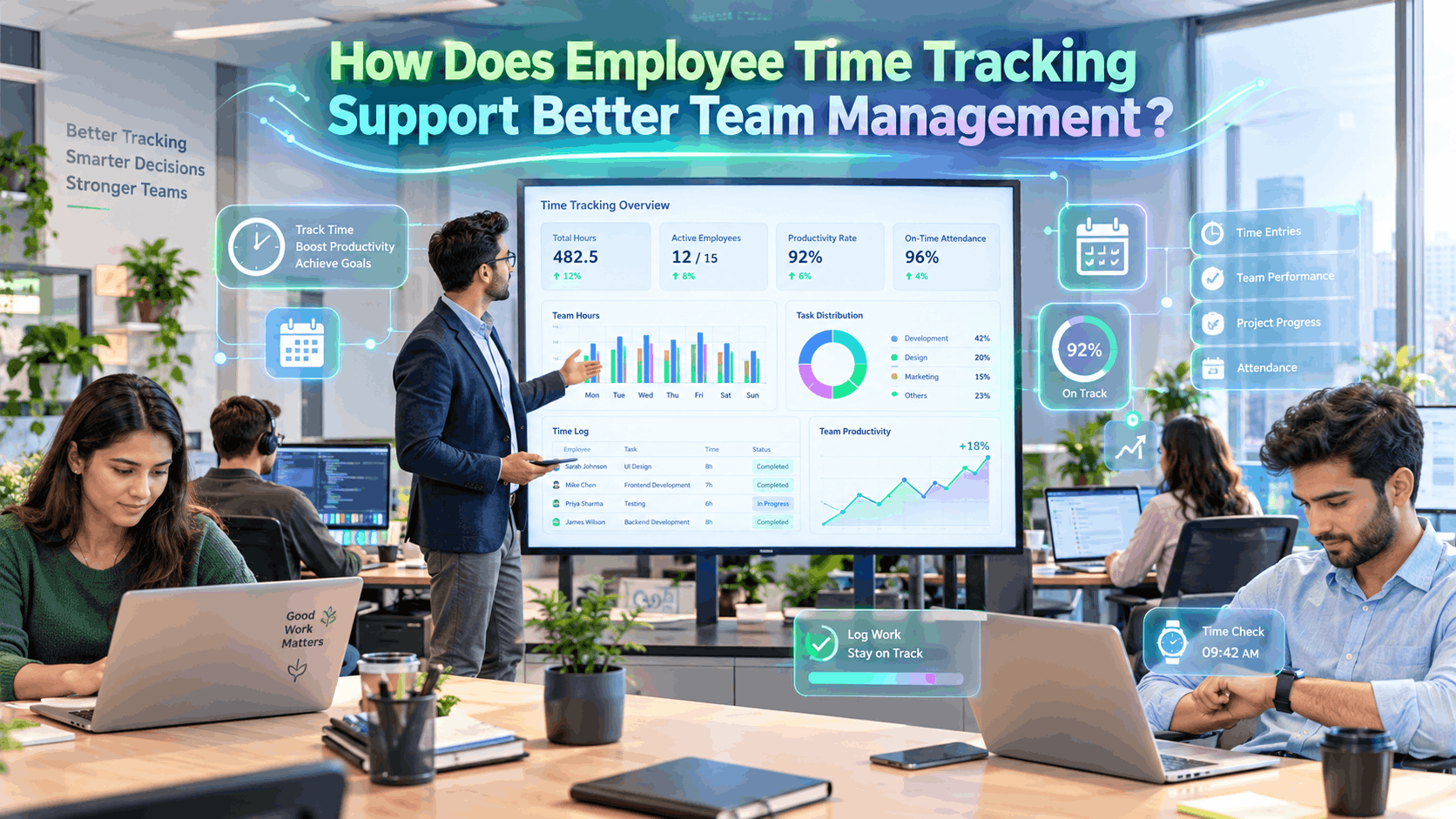
Use measurable KPIs to track progress and ensure accountability.
Step 5: Encourage Continuous Feedback
Constructive feedback helps employees stay motivated and aligned with expectations.
The Role of Feedback and Improvement Strategies
Not every employee progresses at the same pace. Some may require additional support to meet expectations. This is where structured approaches like performance improvement plans come into play. These plans:
- Address specific performance issues
- Provide clear expectations
- Offer targeted support and resources
- Set deadlines for improvement
When used correctly, they are not punitive but developmental, helping employees regain confidence and direction.
Linking Development with Organizational Success
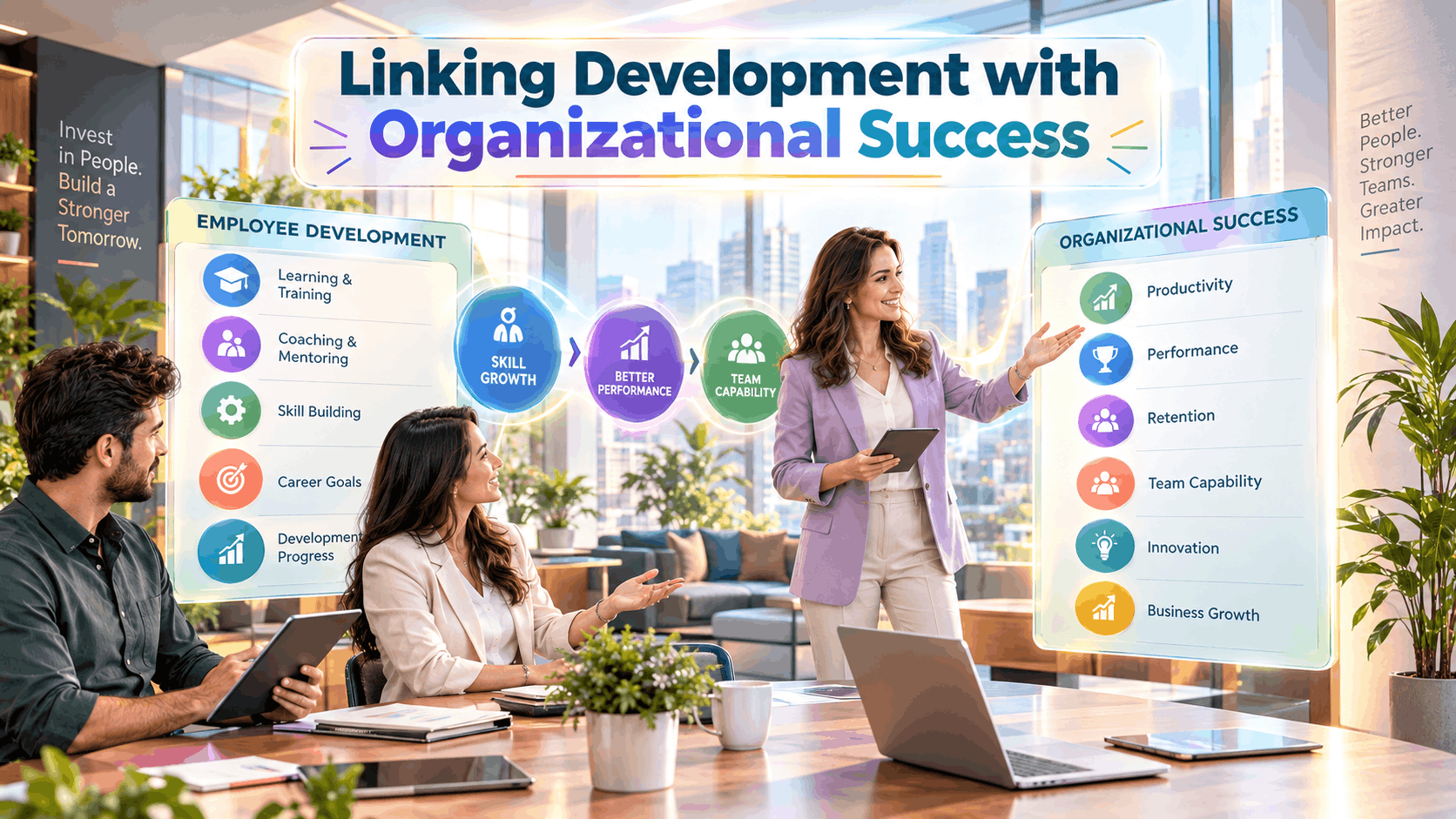
Employee growth initiatives should never exist in isolation. They must connect with broader business strategies and leadership goals.A well-executed growth strategy contributes to:
- Better decision-making
- Increased innovation
- Stronger team collaboration
It also ensures employees feel valued, which directly impacts morale and productivity.
Integrating Development with Performance Systems
For long-term success, development strategies must align with performance management systems. This integration helps organizations:
- Track employee progress consistently
- Align performance reviews with growth goals
- Identify high-potential employees
- Make data-driven HR decisions
When development and performance systems work together, they create a culture of continuous improvement rather than one-time evaluations.
Best Practices for Long-Term Success
Keep It Flexible
Adapt plans as roles, goals, or business needs change.
Encourage Ownership
Employees should actively participate in their own growth journey.
Leverage Technology
Use learning management systems (LMS) and analytics tools to streamline tracking.
Promote a Learning Culture
Make development a daily habit, not a yearly activity.
You can also watch this video: How to Check Employee Details | EmpMonitor How-To Tutorial
Summary
A well-designed employee development plan is essential for building a future-ready workforce. By focusing on clear goals, continuous learning, and alignment with organizational objectives, businesses can enhance employee engagement, boost productivity, and drive long-term success.
FAQ
1. What is included in a development plan?
It typically includes career goals, skill assessments, training programs, timelines, and performance metrics.
2. How often should development plans be updated?
Ideally, they should be reviewed and updated every 6–12 months or whenever there is a significant role change.
3. Who is responsible for creating the plan?
Both the employee and manager share responsibility, ensuring alignment between personal and organizational goals.
4. How does development impact employee retention?
Employees are more likely to stay when they see clear growth opportunities and feel invested in.
5. Can small businesses implement development strategies?
Yes, even simple, structured approaches can significantly improve employee engagement and productivity.
